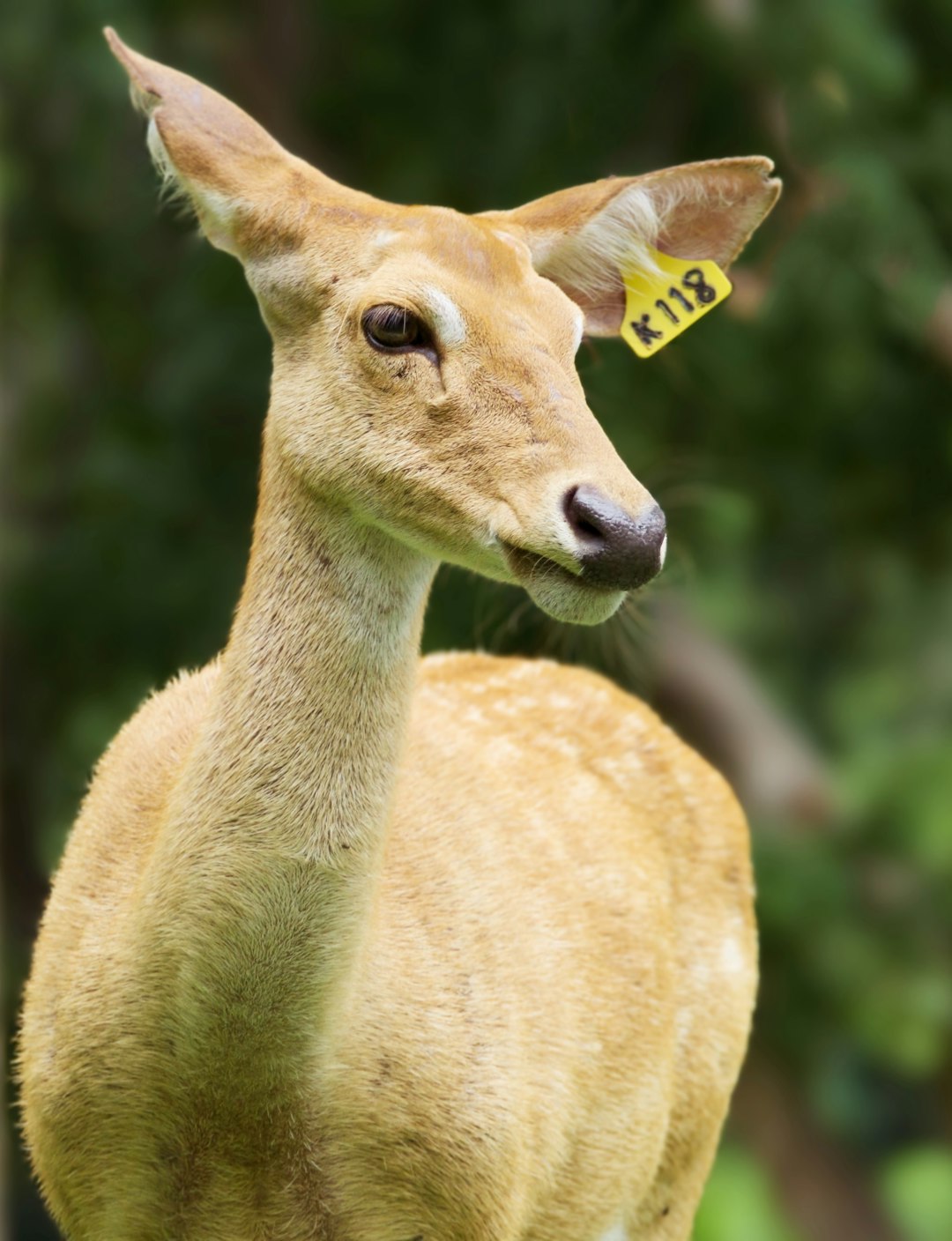
The sight of deer foraging in a pristine pine forest can be beautiful, but the aftermath for the trees often tells a different story. Deer damage, ranging from casual browsing to aggressive antler rubbing, is a common concern for homeowners, foresters, and land managers alike. When young pines or even established trees bear the scars of such encounters, a crucial question arises: Will deer-damaged pine trees regrow? This article delves into the intricate biology of pine trees, the various forms of deer damage they endure, and the complex factors that determine their ability to recover and thrive. Understanding these dynamics is essential for anyone hoping to mitigate damage and promote the health of their pine populations.
Understanding deer damage to pine trees
Deer inflict damage on pine trees through several distinct behaviors, each with varying implications for the tree’s survival and regrowth potential. The most common forms include browsing and rubbing. Browsing occurs when deer eat the tender shoots, needles, and buds, particularly on young trees or the lower branches of older ones. This is especially prevalent during winter months when other food sources are scarce. Repeated browsing can stunt growth, distort the tree’s shape, and remove the crucial terminal leader (the main upward-growing shoot), which is vital for height development.
Rubbing, on the other hand, is primarily carried out by bucks during the rutting season (late summer through fall) when they rub their antlers against tree trunks to remove velvet, mark territory, and strengthen neck muscles. This action can strip bark, damage the cambium layer (the living tissue responsible for growth), and even girdle the tree if the damage encircles the entire trunk. While mature pines might withstand minor rubbing, young trees with thin bark are highly vulnerable to girdling, which severs the vascular system and often leads to death above the wound. The specific type and extent of damage are critical in assessing a pine tree’s chances of recovery.
The pine tree’s natural resilience and limitations
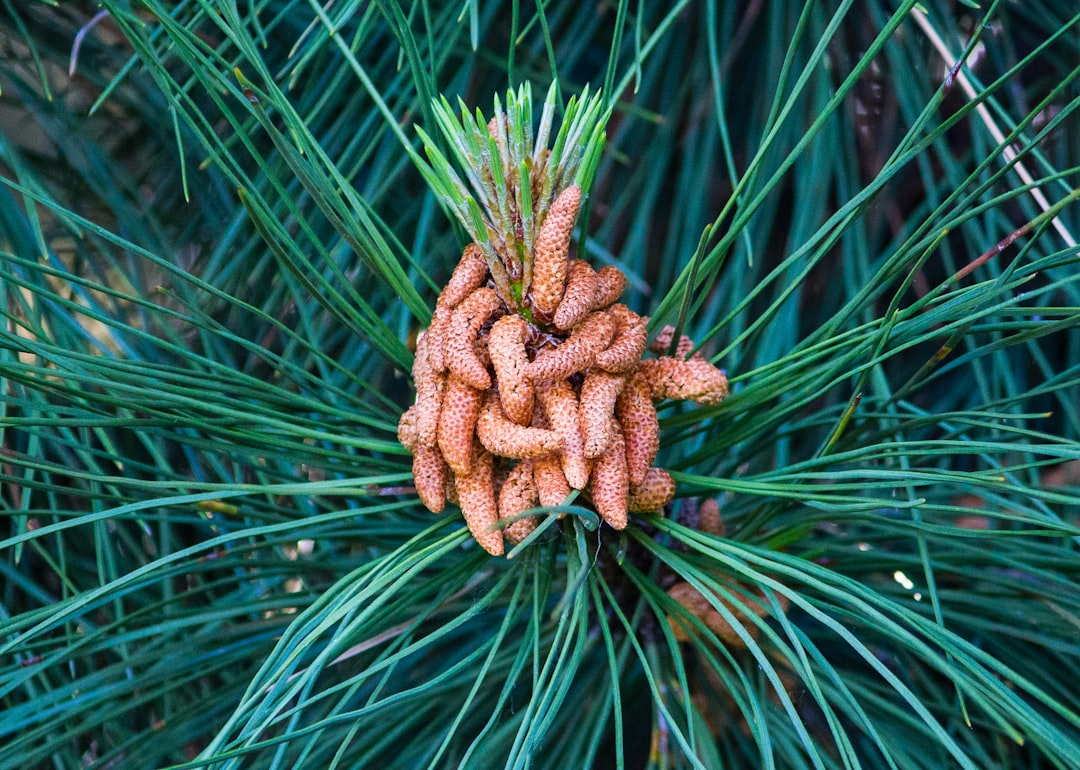
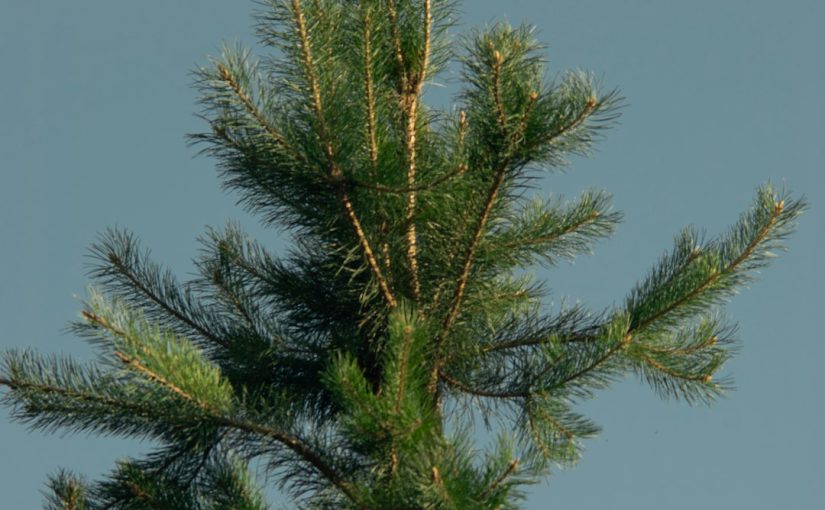
Pine trees, like most plants, possess a remarkable capacity for healing and regrowth, but this capacity has its limits, especially for conifers. Pines grow primarily from their terminal leader, which dictates the tree’s upward trajectory, and from lateral buds along branches. These growth points contain meristematic tissue, the plant’s equivalent of stem cells, responsible for generating new growth. If the terminal leader is destroyed by browsing, a lateral branch may eventually assume dominance and attempt to become a new leader, often resulting in a crooked or forked trunk in the interim. This process is slow and energy-intensive for the tree.
The ability of a pine to recover largely depends on the extent of damage to its cambium layer and the presence of healthy buds. When bark is stripped through rubbing, the cambium, which produces new wood and bark, is exposed and can dry out or become infected. If the cambium is removed all the way around the trunk (girdling), water and nutrients cannot be transported between the roots and the canopy, and the tree will almost certainly die. Unlike many deciduous trees that can sprout vigorously from their base even after severe damage, most pine species have limited ability to sprout from the trunk or root collar if the main stem is compromised. Their recovery is more dependent on existing, undamaged meristematic tissue.
Assessing the damage and predicting recovery
Predicting whether a deer-damaged pine tree will regrow successfully requires a careful assessment of the injury. The most critical factors are the location and severity of the damage. If the terminal leader of a young tree is removed, regrowth can occur, but it will take time for a new leader to establish, and the tree’s form may be permanently altered. If only lateral branches are browsed, the tree can generally recover well, provided it retains enough foliage for photosynthesis.
Bark damage from rubbing is more serious. If the bark is removed only on one side of the trunk and less than 50% of the circumference is affected, the tree has a reasonable chance of compartmentalizing the wound and healing over time. However, if more than 50% of the bark is stripped around the circumference, especially on young trees, the likelihood of survival drops significantly. Girdling, where 100% of the circumference is damaged, is almost always fatal. Age also plays a role: younger trees with thinner bark are more susceptible to fatal damage from rubbing, while older, more vigorous trees might compartmentalize smaller wounds more effectively.
Here’s a general guide to assessing damage:
| Type of Damage | Severity | Likelihood of Full Recovery | Notes |
|---|---|---|---|
| Browsing | Light (tips of branches) | High | Tree will likely regrow from existing buds. |
| Browsing | Moderate (multiple branches, no leader) | Medium | Recovery possible, but growth may be stunted or misshapen. |
| Browsing | Heavy (terminal leader removed) | Low to Medium | New leader may form, but tree shape often compromised. |
| Rubbing | Minor (surface scrapes, < 25% bark removed) | High | Tree likely to compartmentalize and heal. |
| Rubbing | Moderate (25-50% bark removed) | Medium | Survival depends on tree vigor and pathogen avoidance. |
| Rubbing | Severe (50-99% bark removed) | Low | High risk of disease, unlikely to thrive long-term. |
| Girdling | 100% bark removed around trunk | Very Low (tree will die) | Vascular system severed, fatal damage. |
Strategies for aiding recovery and prevention
While some deer damage is irreversible, there are strategies to aid recovery for moderately damaged trees and, more importantly, to prevent future incidents. For trees with light browsing, ensuring adequate water and nutrients can help them recover vigor. Pruning any broken or jagged branches cleanly can minimize disease entry points. However, avoid excessive pruning, as a tree needs its foliage for photosynthesis to heal.
For bark damage, if the cambium is not completely destroyed, some arborists recommend gently reattaching bark flaps (if recently damaged) and wrapping the wound to encourage callus tissue formation. This is often a last-ditch effort and success is not guaranteed. The most effective approach, however, lies in prevention. Physical barriers like tree tubes or wire cages around individual young trees are highly effective against both browsing and rubbing. Larger areas can be protected with deer fencing. Repellents, while temporary and requiring reapplication, can deter deer in some cases. Additionally, promoting a healthy forest ecosystem with diverse food sources may reduce concentrated browsing pressure on specific pine species. Long-term forest management plans should consider deer population densities and their impact on tree regeneration.
The question of whether deer-damaged pine trees will regrow doesn’t have a simple yes or no answer; it hinges on a multitude of factors, primarily the nature and extent of the injury. We’ve explored how browsing and antler rubbing inflict distinct wounds, with the removal of the terminal leader or girdling of the cambium posing the most severe threats. While pines possess natural resilience, their capacity to recover from significant structural damage, especially to the main stem, is limited compared to some deciduous species. Assessing the percentage of bark removed or the integrity of the terminal bud is crucial for predicting a tree’s prognosis. Ultimately, while some minor damage can heal with time and proper care, proactive prevention through tree tubes, fencing, and repellents remains the most reliable strategy to safeguard pine trees from deer. Understanding these dynamics empowers landowners to make informed decisions for the health and longevity of their pine populations.
Image by: Vladimir Sayapin