The quest for natural remedies to combat various ailments has surged in popularity, and among the many compounds scrutinized for their health benefits, Grapefruit Seed Extract (GSE) frequently emerges. Touted for its broad-spectrum antimicrobial properties, GSE has captured the attention of those seeking alternative solutions for everything from bacterial infections to fungal overgrowth. A particularly persistent question within this realm is whether this potent extract holds the key to eradicating internal parasites, specifically intestinal worms. This article delves into the claims surrounding Grapefruit Seed Extract as an anthelmintic agent, exploring the scientific basis, current evidence, and crucial considerations for anyone contemplating its use against parasitic infections. We aim to provide a comprehensive and nuanced understanding of GSE’s potential role in addressing this common health concern.
Understanding grapefruit seed extract (GSE)
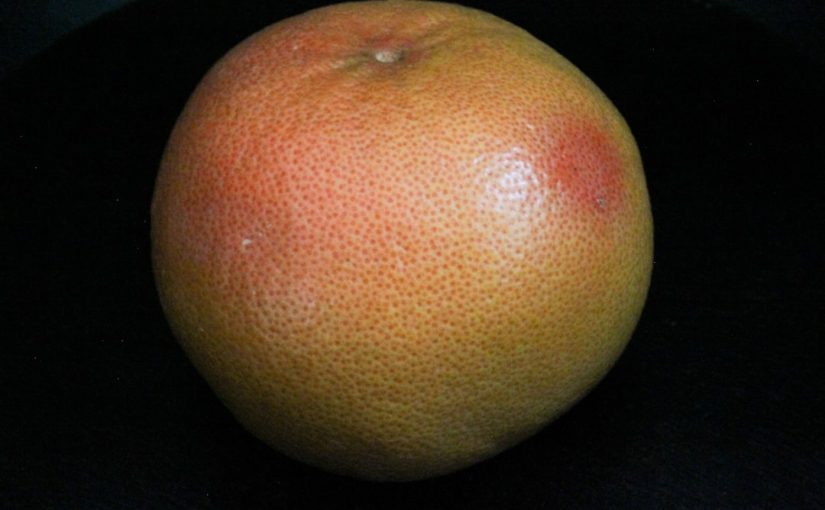
Grapefruit Seed Extract, often simply referred to as GSE, is a substance derived from the seeds, pulp, and white membranes of grapefruits. It is typically produced by grinding these parts and mixing them with glycerol or other solvents. The resulting liquid is rich in bioflavonoids, naringenin, hesperidin, and various polyphenolic compounds. These active ingredients are believed to be responsible for GSE’s purported therapeutic effects. Historically, GSE has gained a reputation as a natural antimicrobial, with proponents suggesting its efficacy against a wide array of pathogens, including bacteria, viruses, fungi, and even some parasites. Its primary mechanism is thought to involve disrupting the cell membranes of microorganisms, leading to their breakdown and inactivation. This broad-spectrum activity has made it a popular choice in dietary supplements, personal care products, and even household cleaners, prompting further investigation into its specific applications, such as parasitic control.
The purported antiparasitic mechanisms of GSE
The hypothesis that Grapefruit Seed Extract could kill worms stems from its generally recognized antimicrobial properties. Researchers and advocates suggest that the bioflavonoids and polyphenols in GSE might exert an antiparasitic effect through several potential mechanisms. These compounds are known to act as potent antioxidants and possess anti-inflammatory qualities. More specifically, in the context of parasitic organisms, it’s theorized that GSE could disrupt the structural integrity of parasitic cell walls or membranes, similar to its action on bacteria and fungi. This disruption could compromise the parasite’s ability to maintain cellular homeostasis, absorb nutrients, or excrete waste, ultimately leading to its demise. Furthermore, GSE might interfere with specific enzymatic processes vital for the parasite’s metabolism, growth, or reproduction. While these proposed mechanisms offer a plausible theoretical framework, it is crucial to distinguish between what is biologically possible in a laboratory setting and what has been clinically proven in living organisms, especially humans. The complexity of the host-parasite relationship and the varied physiology of different worm species mean that a one-size-fits-all solution is rarely effective.
Scientific evidence and limitations regarding GSE and worms
Despite the widespread interest and anecdotal reports, robust scientific evidence directly supporting Grapefruit Seed Extract as an effective anthelmintic (worm-killing) agent in humans remains largely limited. Most research on GSE’s antiparasitic activity has been conducted in vitro, meaning in test tubes or petri dishes, against specific protozoa rather than multicellular worms. For example, some laboratory studies have shown GSE to exhibit inhibitory effects against protozoa like Giardia lamblia and Entamoeba histolytica. However, translating these findings to actual efficacy against common intestinal worms (helminths like roundworms, tapeworms, or hookworms) in a living human body is problematic. The conditions in a laboratory setting, such as direct exposure to high concentrations of the extract, are vastly different from the complex environment of the human digestive tract, where absorption, metabolism, and interactions with other substances can significantly alter GSE’s activity.
Human clinical trials specifically designed to evaluate GSE’s efficacy against helminthic infections are scarce and often suffer from methodological limitations, such as small sample sizes, lack of placebo control, or reliance on non-standardized GSE formulations. The term “Grapefruit Seed Extract” itself can be misleading, as product compositions vary widely, making it difficult to ascertain which active compounds are responsible for any observed effects or to compare results across studies. Therefore, while GSE demonstrates promising antimicrobial characteristics against certain microorganisms under controlled conditions, there is insufficient evidence to conclude that it reliably kills a broad spectrum of intestinal worms in humans.
To further illustrate the current state of evidence, consider the following:
| Type of Evidence | Scope | Findings Regarding Worms (Helminths) | Limitations for Human Use |
|---|---|---|---|
| In vitro (lab studies) | Test tube/Petri dish experiments | Limited studies, some activity shown against certain protozoa (e.g., Giardia), very little strong data for actual helminths. | Does not replicate human physiological conditions; high concentrations used; may not be bioavailable or stable in the gut. |
| In vivo (animal studies) | Live animal models | Extremely limited and often inconclusive results for specific helminths. | Findings not directly transferable to humans; different metabolism and immune responses. |
| Clinical Trials (human) | Human subjects | Very few robust, peer-reviewed trials demonstrating anthelmintic efficacy against worms. Mostly anecdotal reports. | Lack of standardization, small sample sizes, absence of placebo controls, potential for confounding factors. |
Safety, dosage, and consulting a healthcare professional
When considering any natural remedy, including Grapefruit Seed Extract, safety and appropriate dosage are paramount. GSE is generally recognized as safe for consumption when used as directed, but potential side effects can include gastrointestinal upset, nausea, and diarrhea, particularly with higher doses. More importantly, grapefruit products, including GSE, are known to interact with a wide range of medications by inhibiting an enzyme system (CYP3A4) in the liver that metabolizes many drugs. This can lead to increased drug levels in the bloodstream, potentially causing adverse effects or toxicity. Therefore, individuals taking prescription medications, especially those for chronic conditions, should exercise extreme caution and consult a healthcare provider before using GSE.
Furthermore, without robust clinical data on its anthelmintic properties, there is no standardized or medically recommended dosage for using GSE to kill worms. Products vary greatly in their concentration of active compounds, making consistent dosing difficult and potentially unreliable. Self-treating parasitic infections with unproven remedies carries significant risks. A proper diagnosis from a healthcare professional is essential to identify the specific type of worm infection, as different parasites require different treatments. Relying solely on GSE could lead to inadequate treatment, allowing the infection to persist, worsen, or cause further complications. Therefore, while GSE might hold promise for future research, it is not a substitute for conventional medical diagnosis and treatment for parasitic infections. Always consult a doctor or a qualified healthcare provider for any health concerns, especially when dealing with suspected parasitic infestations.
In conclusion, the question of whether Grapefruit Seed Extract (GSE) can effectively kill worms is met with a complex and nuanced answer. While GSE has demonstrated intriguing broad-spectrum antimicrobial activity against various bacteria, fungi, and certain protozoa in laboratory settings, the scientific evidence directly supporting its efficacy as a reliable anthelmintic against intestinal worms in humans is largely insufficient. Most available research is conducted in vitro, and robust, peer-reviewed clinical trials demonstrating its effectiveness in a live human body are notably lacking. The variations in product standardization, potential for drug interactions, and absence of established dosages for parasitic treatment further complicate its use. Therefore, despite its popularity as a natural remedy, GSE cannot be unequivocally recommended as a definitive treatment for worm infections. Individuals suspecting a parasitic infection should always prioritize professional medical diagnosis and adhere to conventional, evidence-based treatments prescribed by a healthcare provider. Self-medicating with unproven remedies could delay appropriate care, potentially leading to more severe health outcomes.
Image by: Denley Photography