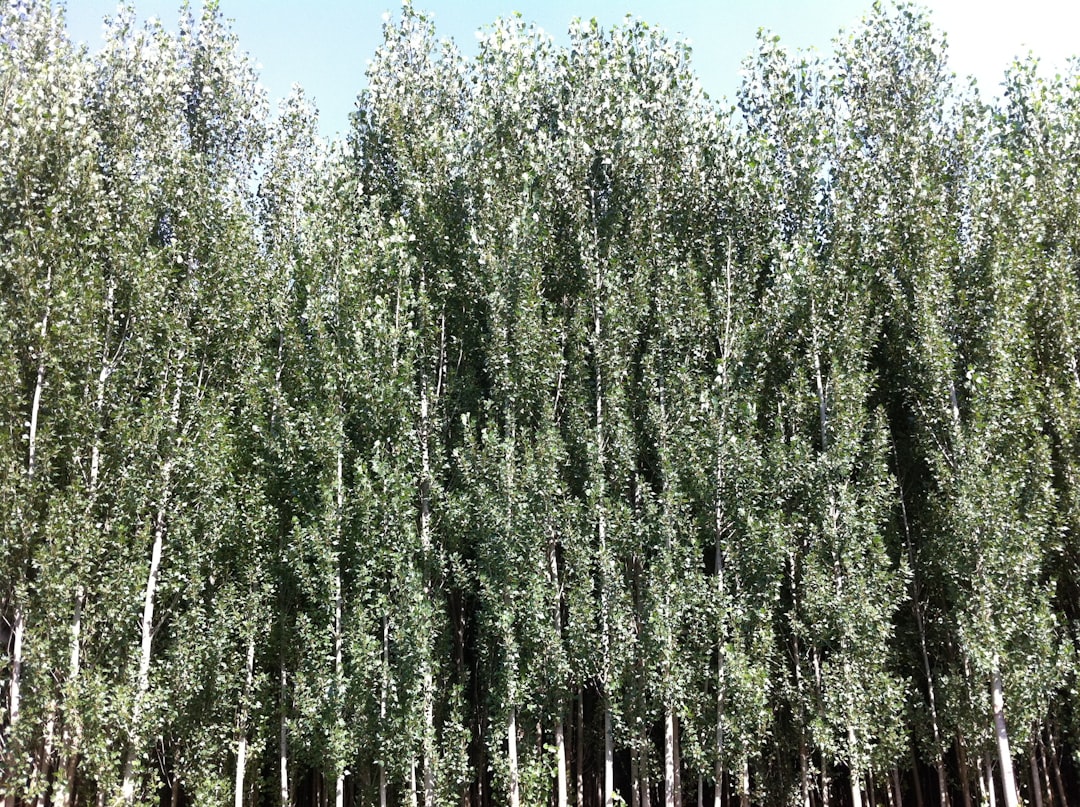
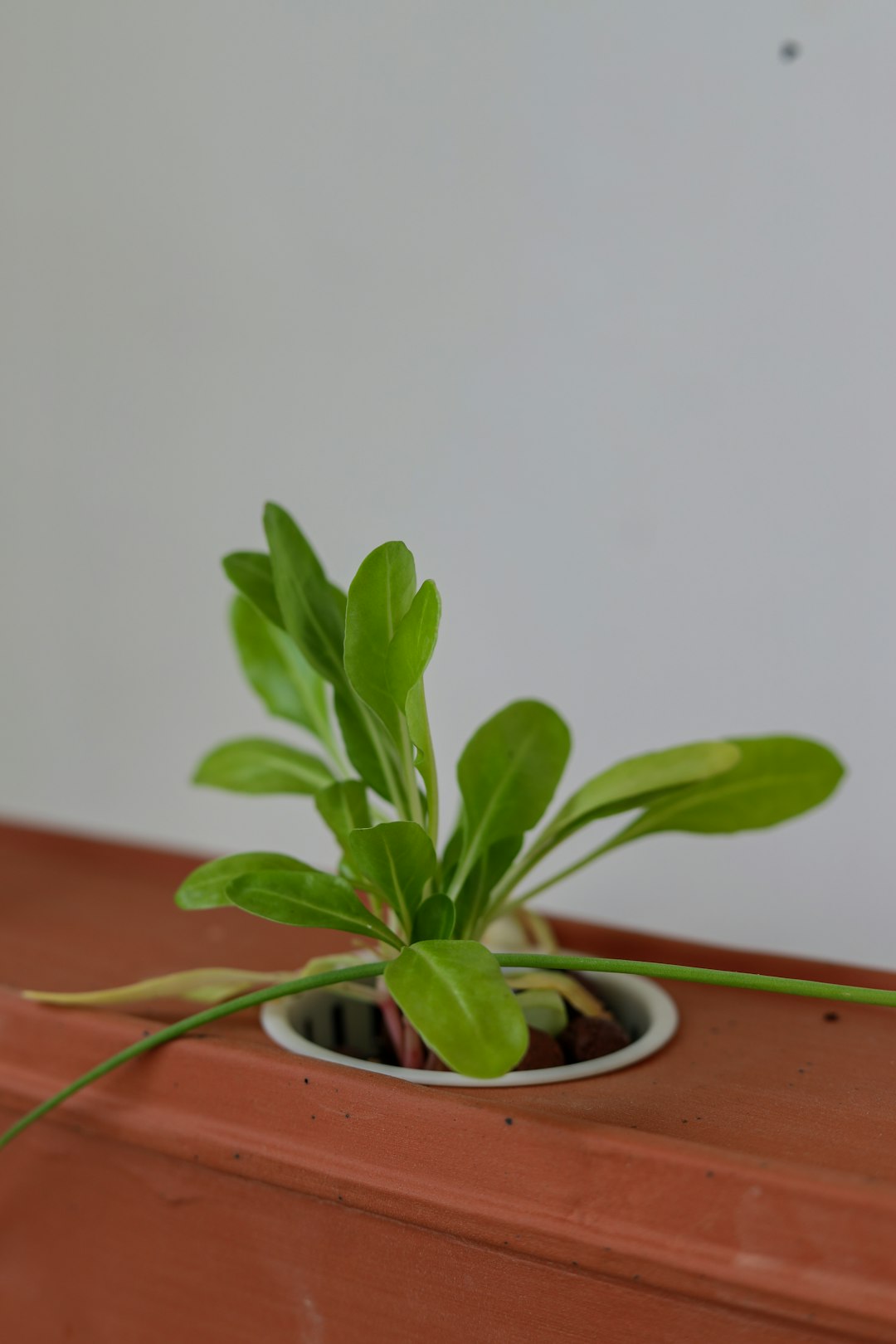
The Blue Arctic Willow, with its delicate blue-green foliage and graceful, arching branches, is a captivating addition to any landscape. Known botanically as Salix purpurea ‘Nana’, this compact shrub offers year-round visual interest and is remarkably adaptable. However, to maintain its distinctive mounding habit, promote vigorous growth, and ensure its overall health, strategic trimming is absolutely essential. Far from a mere aesthetic exercise, proper pruning techniques are vital for shaping the plant, preventing disease, and encouraging a dense, attractive form. This guide will walk you through everything you need to know about effectively trimming your Blue Arctic Willow, transforming a potentially unruly shrub into a magnificent focal point in your garden.
Understanding blue arctic willows and their growth habits
The Blue Arctic Willow, often recognized for its fine texture and purplish stems, is a naturally dense, deciduous shrub that typically grows between 4 to 6 feet tall and wide. Its ‘Nana’ cultivar indicates a dwarf variety, making it suitable for smaller gardens, hedges, or foundation plantings. These willows are vigorous growers, known for their ability to quickly put on new growth, especially in full sun and moist, well-drained soil. Left untrimmed, they can become leggy, lose their characteristic mounding shape, and develop an unkempt appearance. Trimming serves several critical purposes: it encourages the plant to produce more of the attractive new growth, maintains its desired size and shape, improves air circulation within the canopy to deter fungal issues, and removes any dead or damaged wood that could harbor pests or diseases. Understanding its natural inclination to grow rapidly helps us appreciate why regular and thoughtful pruning is a cornerstone of its care.
Essential tools and safety for willow pruning
Before you begin trimming your Blue Arctic Willow, ensuring you have the right tools and take appropriate safety precautions is paramount. Sharp, clean tools not only make the job easier but also make cleaner cuts that heal faster, reducing stress on the plant and minimizing the risk of disease entry. Always wear sturdy gardening gloves to protect your hands from thorns or rough branches, and consider safety glasses to shield your eyes from debris.
Here is a list of essential tools:
- Hand pruners (bypass type): Ideal for smaller branches, up to 3/4 inch in diameter. Bypass pruners create clean cuts necessary for plant health.
- Loppers: Designed for branches between 3/4 inch and 1 1/2 inches thick, providing extra leverage.
- Pruning saw: For any branches larger than 1 1/2 inches that loppers cannot comfortably handle.
It is crucial to clean and sharpen your tools before each use, and sanitize them with a diluted bleach solution (1 part bleach to 9 parts water) or rubbing alcohol, especially if moving between different plants or if you suspect disease. This prevents the spread of pathogens. Keeping tools in good condition will ensure precise cuts and contribute significantly to your willow’s health.
| Tool Type | Primary Use | Key Benefit |
|---|---|---|
| Hand Pruners | Small branches (<3/4 inch) | Precise, clean cuts for new growth |
| Loppers | Medium branches (3/4 – 1.5 inches) | Extended reach and leverage for thicker stems |
| Pruning Saw | Large branches (>1.5 inches) | Efficiently cuts mature, woody stems |
A step-by-step guide to trimming blue arctic willows
The best time to undertake significant pruning of your Blue Arctic Willow is in late winter or early spring, just before new growth begins. This timing allows the plant to quickly recover and channel its energy into developing a robust flush of foliage. Minor corrective pruning can be done throughout the growing season, but major shaping should be reserved for dormancy.
- Remove dead, diseased, or damaged wood: Begin by systematically inspecting the entire shrub. Use your hand pruners or loppers to cut away any branches that are clearly dead (brittle, discolored), diseased (unusual spots, cankers), or damaged (broken, rubbing). Make these cuts back to healthy wood or to the main stem. This step is crucial for plant hygiene and preventing the spread of issues.
- Thinning for air circulation and shape: Once the undesirable wood is gone, focus on opening up the canopy. Look for branches that are crossing, rubbing, or growing inward towards the center of the plant. Selectively remove some of these branches at their point of origin or where they meet another branch. This “thinning” promotes better air circulation, which is vital for preventing fungal diseases, and allows light to penetrate the inner parts of the shrub, encouraging more uniform growth. Aim to remove no more than one-third of the plant’s total mass in a single season to avoid over-stressing it.
- Shaping and size control: Blue Arctic Willows respond very well to shaping. To maintain a compact, mounding form, you can perform “heading cuts.” This involves cutting back branches to a desired length, just above a bud or a lateral branch that is pointing in the direction you want new growth to go. For rejuvenation or to significantly reduce the size of an overgrown willow, you can cut the entire plant back hard, leaving only 6-12 inches of the main framework. This is often done every few years and will result in a vigorous flush of new growth, though it might temporarily sacrifice the distinctive blue foliage for a season while new leaves emerge. Remember to step back frequently to assess the overall shape and balance as you prune.
Post-pruning care and ongoing maintenance
After you’ve completed the trimming of your Blue Arctic Willow, a little post-pruning care can go a long way in ensuring a swift and healthy recovery. Immediately after pruning, water the plant thoroughly, especially if the soil is dry. This helps to reduce stress and provides the necessary hydration for the plant to begin healing its wounds and pushing out new growth. Fertilizing is generally not required immediately unless your soil is particularly poor; new growth following pruning is typically stimulated by the removal of old material, not necessarily an immediate nutrient boost. If you do choose to fertilize, wait a few weeks and use a balanced, slow-release granular fertilizer, following package instructions to avoid over-application.
Throughout the growing season, keep an eye on your willow for any signs of pest infestations or disease. Healthy plants are more resilient, but open wounds from pruning can sometimes be entry points. Remove any new dead or diseased branches as soon as they appear. While the major pruning is done in late winter or early spring, minor touch-ups for stray branches or to maintain a tidy appearance can be performed in summer. Consistent, thoughtful maintenance will ensure your Blue Arctic Willow remains a vibrant and attractive feature in your garden for years to come, rewarding your efforts with its distinctive beauty.
Trimming your Blue Arctic Willow is a vital practice that ensures the plant’s health, vigor, and aesthetic appeal. We’ve explored the inherent growth habits of Salix purpurea ‘Nana’, emphasizing why regular pruning is not just cosmetic but a fundamental aspect of its care. From maintaining its attractive mounding form to preventing disease and encouraging dense, vibrant foliage, strategic cuts play a crucial role. We also delved into the importance of selecting and sanitizing the right tools, ensuring both your safety and the plant’s well-being throughout the process. The step-by-step guide outlined the optimal timing for pruning, focusing on removing problematic wood, thinning for air circulation, and effective shaping techniques to achieve your desired garden aesthetic. Finally, post-pruning care, including proper watering and ongoing monitoring, was highlighted as essential for a swift recovery and sustained plant health. By following these guidelines, you can cultivate a magnificent Blue Arctic Willow that remains a captivating feature in your landscape, year after year.
Image by: El Salanzo