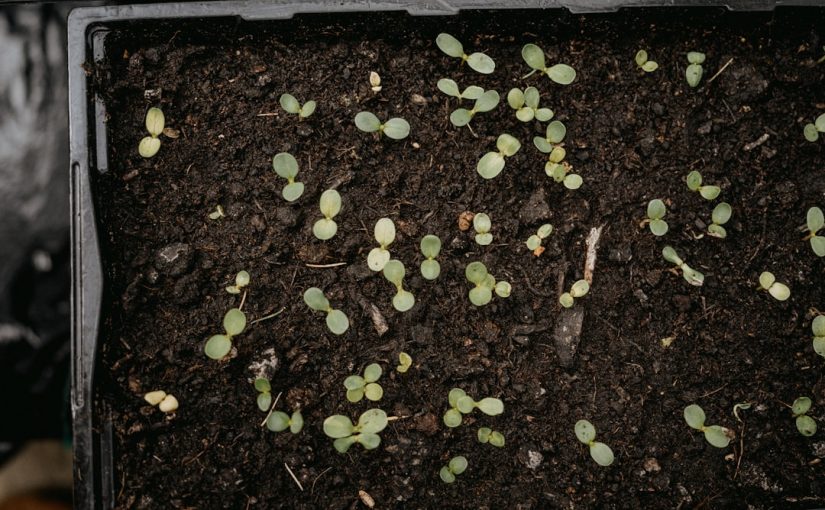
For any gardener or farmer, the journey from a tiny seed to a thriving plant is a delicate balance of nature and nurture. Central to this process is germination, the biological awakening of a seed. While it might seem straightforward, the distinction between a germinating and a non-germinating pea seed holds significant implications for crop success, yield, and overall gardening satisfaction. Understanding what propels a dormant pea seed into life and what factors can prevent it is not just academic; it’s fundamental to cultivating a bountiful harvest. This article will delve into the intricate world of pea germination, exploring the biological mechanisms, identifying non-viable seeds, and outlining the critical environmental factors that determine success or failure, equipping you with the knowledge to optimize your pea cultivation.
The miracle of germination: what exactly happens?
Germination is far more than just a seed sprouting; it’s a meticulously orchestrated biological process that transforms a dormant embryo into a fledgling plant. For a pea seed to germinate, three essential conditions must typically be met: adequate moisture, a suitable temperature range, and sufficient oxygen. Once these conditions are present, the seed begins to rehydrate, absorbing water through its seed coat. This imbibition process swells the seed and activates dormant enzymes within the cotyledons, which are the pea’s food reserves. These enzymes break down stored starches, proteins, and fats into usable forms of energy for the developing embryo.
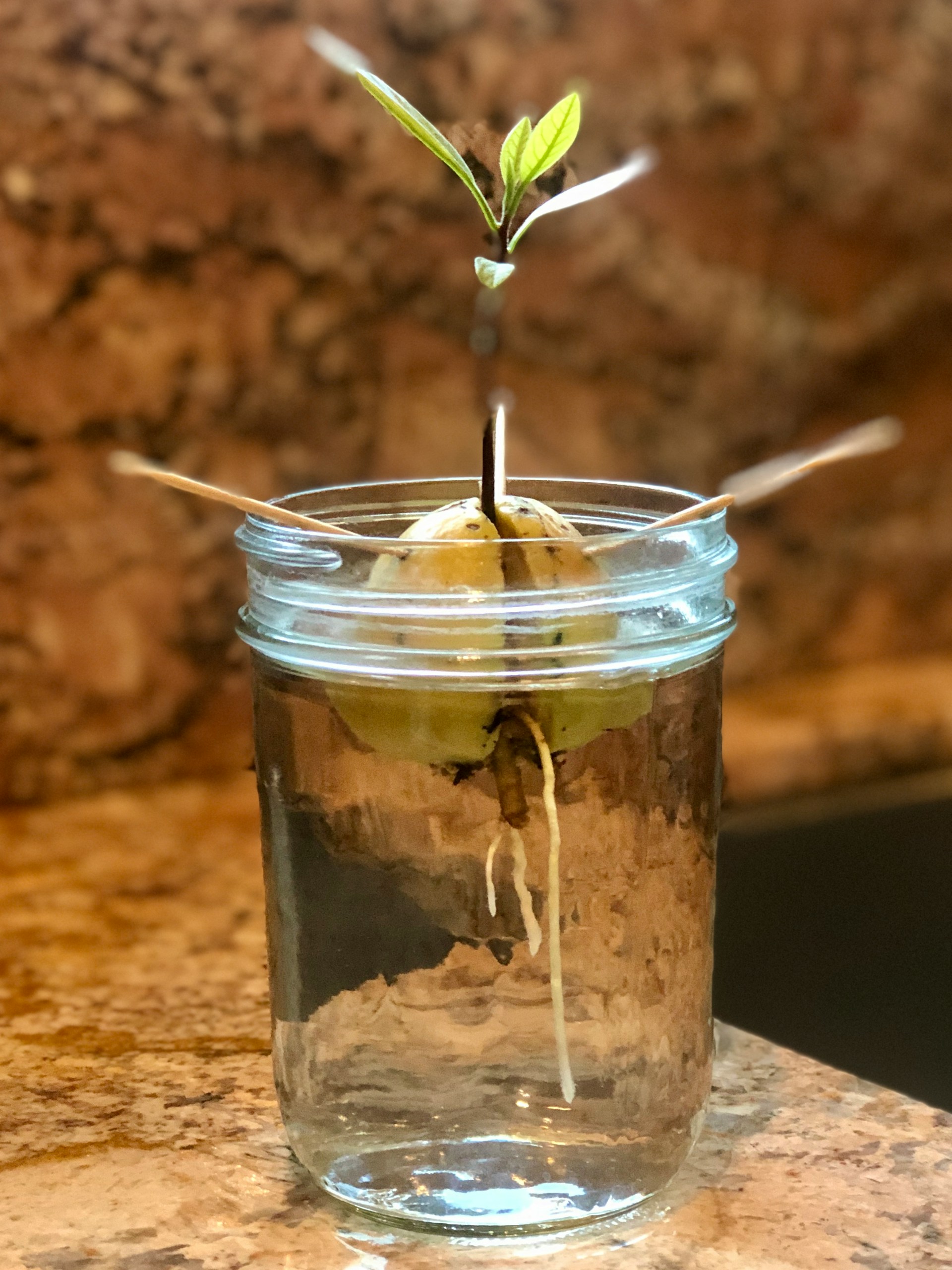
With this newfound energy, the embryo begins to grow. The first visible sign of germination is usually the emergence of the radicle, or embryonic root, which pushes out from the seed to anchor the nascent plant and absorb water and nutrients from the soil. Shortly thereafter, the plumule, which will develop into the shoot and leaves, begins to elongate upwards, seeking light. This entire process relies on cellular respiration, which is why oxygen is a critical component. Without it, the metabolic activities necessary for growth cannot proceed efficiently, halting germination even if water and temperature are ideal. A viable pea seed possesses the genetic potential and stored energy to undergo this remarkable transformation.
Identifying non-germinating peas: the tell-tale signs
Not every pea seed planted will spring to life, and recognizing the indicators of a non-germinating seed is crucial for efficient gardening. A pea seed fails to germinate for various reasons, including inherent dormancy, physical damage, disease, age, improper storage, or unfavorable environmental conditions. Visually inspecting seeds before planting can offer preliminary clues. Non-viable seeds might appear shriveled, discolored, or unusually small or large compared to healthy ones. Sometimes, a grayish or fuzzy appearance indicates fungal growth, a clear sign of decay.
Another common, though not definitive, indicator is the lack of response to optimal germination conditions. If healthy-looking pea seeds are given adequate moisture, warmth, and oxygen for their species-specific germination period (typically 7-14 days for peas), and they still fail to sprout, they are likely non-viable. A simple pre-soak or “float test” can also offer a rudimentary assessment: viable seeds tend to sink as they absorb water, while many non-viable seeds, being less dense or hollowed out, will float. However, this method is not foolproof as some perfectly good seeds may float initially. Ultimately, the lack of radicle emergence under ideal conditions is the most conclusive sign of a non-germinating pea.
The crucial factors influencing pea germination success
Achieving a high germination rate for peas depends on a precise interplay of internal seed quality and external environmental factors. Understanding these elements allows gardeners to create the most conducive conditions for their seeds to thrive.
- Seed viability and quality: This is perhaps the most fundamental factor. A seed’s genetic potential, its age, and how it was harvested and stored all contribute to its viability. Fresh seeds stored in cool, dry, and dark conditions will generally have a much higher germination rate than old seeds or those exposed to fluctuating temperatures and humidity, which can deplete their stored energy reserves or introduce pathogens.
- Moisture: Consistent moisture is paramount. Seeds need to imbibe water to initiate the germination process. However, too much water can lead to waterlogging, depriving the seeds of essential oxygen and promoting fungal diseases. The soil should be consistently moist, but well-drained.
- Temperature: Peas have an optimal temperature range for germination, typically between 50-75°F (10-24°C). Temperatures significantly below this can slow or prevent germination, while excessively high temperatures can damage the delicate embryo.
- Oxygen: Respiration is an energy-intensive process, and sufficient oxygen is required for it to occur efficiently. Compacted or waterlogged soils reduce oxygen availability, suffocating the seed and preventing germination.
- Soil conditions: Beyond moisture and oxygen, the physical structure and composition of the soil matter. Well-drained, loose soil allows for easier root penetration and proper gas exchange.
Here’s a quick reference for optimal pea germination conditions:
| Factor | Optimal conditions | Conditions leading to poor germination |
|---|---|---|
| Seed quality | Fresh, viable, undamaged | Old, damaged, diseased, improperly stored |
| Moisture | Consistent, adequate (not waterlogged) | Too dry, waterlogged (lack of oxygen) |
| Temperature | 50-75°F (10-24°C) | Below 40°F (4°C) or above 80°F (27°C) |
| Oxygen | Present in soil pores | Compacted or waterlogged soil |
Practical implications for growers: maximizing your pea harvest
Understanding the difference between germinating and non-germinating peas, and the factors influencing this, has direct practical implications for maximizing a successful pea harvest. The most fundamental strategy is to begin with high-quality seeds from reputable sources. Performing a simple germination test on a small sample of seeds before large-scale planting can save considerable time and effort, especially if you are using older seeds or unsure of their viability. If your test results show low germination rates, it’s wise to either sow more densely or acquire new seeds.
Beyond seed selection, consistent attention to environmental conditions during planting is paramount. This includes preparing well-drained soil, ensuring proper planting depth (typically 1-2 inches for peas), and maintaining consistent soil moisture without overwatering. Protecting young seedlings from extreme temperatures, either too cold or too hot, is also vital. By carefully managing these variables, growers can significantly improve their germination success rates, leading to healthier, more uniform stands of pea plants, and ultimately, a more abundant and satisfying yield. Ignoring these principles often results in patchy growth, wasted seeds, and disappointing harvests.
The journey from a pea seed to a productive plant hinges entirely on the successful act of germination. We’ve explored the intricate biological dance that transforms a dormant seed into a growing seedling, driven by the critical triumvirate of moisture, temperature, and oxygen. Equally important is the ability to identify non-germinating seeds, whether through visual cues, lack of response, or simple tests, saving valuable resources and effort. By understanding the profound impact of seed quality, proper storage, and ideal environmental conditions, gardeners and farmers can proactively create an environment that encourages robust growth. The practical implications are clear: investing in quality seeds and meticulously managing planting conditions are not merely best practices but essential strategies for maximizing your pea harvest. Ultimately, success in pea cultivation is a testament to respecting and facilitating nature’s miraculous processes, ensuring a bountiful reward for your endeavors.
Image by: Annie Spratt