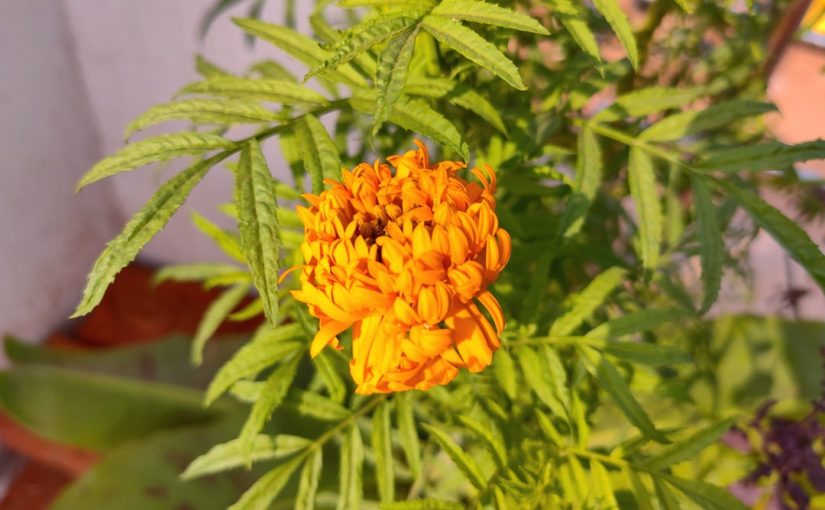
Marigolds, with their vibrant hues of orange, yellow, and red, are a beloved annual flower, cherished by gardeners for their cheerful disposition and ease of care. Often seen gracing flowerbeds, borders, and containers, these sun-loving beauties bring a splash of warmth to any landscape. A common question among both novice and experienced gardeners, particularly when planning their seasonal displays, is precisely when these delightful blossoms make their grand appearance. Understanding the typical blooming window of marigolds, alongside the various factors that can influence their flowering period, is key to cultivating a garden bursting with continuous color. This article will delve into the timing of marigold blooms, exploring everything from variety-specific patterns to essential care practices that ensure a prolonged and spectacular show.
The typical marigold blooming season
Marigolds are quintessential warm-season annuals, meaning their life cycle, from seed to flower to seed, occurs within a single growing season. Their primary blooming season generally kicks off in late spring to early summer, typically once the threat of frost has completely passed and soil temperatures have warmed sufficiently. From this initial burst, these resilient flowers continue to produce an abundance of cheerful blooms relentlessly throughout the summer months and well into autumn. The display only truly ceases with the arrival of the first hard frost, which signals the end of their productive life cycle for the year. This extended blooming period is a significant reason why marigolds remain a top choice for gardeners seeking continuous, season-long color and visual interest in their outdoor spaces.
Understanding marigold varieties and their bloom cycles
While all marigolds share a similar overarching bloom season, the specific timing and characteristics can vary slightly depending on the particular variety you choose to cultivate. Recognizing these differences can help in planning your garden for successive waves of color.
- African marigolds (Tagetes erecta): These tend to be taller with large, often spherical blooms. They might start flowering a little later in early summer compared to their French counterparts, but once they begin, they produce a spectacular show until the first frost. Their size makes them excellent for back borders or striking container centerpieces.
- French marigolds (Tagetes patula): Generally more compact and bushier, French marigolds produce an abundance of smaller, often bicolored or striped flowers. They tend to start blooming a bit earlier, often in late spring or very early summer, and continue prolifically throughout the season. They are perfect for edgings, mass plantings, and smaller containers.
- Signet marigolds (Tagetes tenuifolia): Known for their delicate, often edible single flowers and ferny foliage, signet marigolds offer a distinct look. They also bloom continuously from late spring/early summer until frost, often exhibiting excellent heat tolerance and a bright, airy presence in the garden.
Despite these minor distinctions, the overarching principle remains: marigolds are reliable warm-weather bloomers that provide continuous color once established.
| Marigold Type | Typical Bloom Start | Bloom Duration | Bloom Size |
|---|---|---|---|
| African Marigolds | Early Summer | Until First Frost | Large |
| French Marigolds | Late Spring/Early Summer | Until First Frost | Medium/Small |
| Signet Marigolds | Late Spring/Early Summer | Until First Frost | Small |
Factors influencing marigold bloom time and longevity
While marigolds are generally low-maintenance, several key environmental and cultural factors significantly influence when they start blooming and how long their vibrant display lasts. Understanding these elements can optimize your marigold performance:
- Sunlight exposure: Marigolds are sun worshippers. They thrive and bloom most profusely in locations receiving at least six hours of direct sunlight daily. Insufficient light will result in leggy plants with fewer, less vigorous flowers and a delayed bloom start.
- Planting time: For an early display, sow seeds indoors 6-8 weeks before the last expected frost, or plant purchased seedlings after all danger of frost has passed. Planting too early can expose them to cold temperatures, stunting growth and delaying blooms.
- Soil conditions: Well-draining soil is crucial. While marigolds aren’t particularly fussy about soil richness, overly fertile soil, especially with high nitrogen content, can promote lush foliage growth at the expense of flower production.
- Watering practices: Consistent moisture is important for young plants. Once established, marigolds are relatively drought-tolerant but perform best with regular watering, especially during dry spells. Avoid overhead watering to prevent fungal issues.
- Deadheading: This is perhaps one of the most critical practices for prolonged blooming. Regularly removing spent or faded flowers (deadheading) prevents the plant from expending energy on seed production and redirects it towards producing new blooms. This simple task can significantly extend the flowering season.
- Temperature: Marigolds prefer warm temperatures. Cool spring weather can slow their growth, while excessively hot, humid summers might cause a temporary lull in blooming for some varieties, though they usually bounce back. The final determinant of their bloom season is the first hard frost, which causes the plants to die back.
Maximizing your marigold display for continuous color
To ensure your garden enjoys an unbroken cascade of marigold color from spring through fall, integrate a few strategic practices into your gardening routine. Beyond the fundamental requirements of full sun and well-draining soil, consistent deadheading is paramount; it signals to the plant that it needs to produce more flowers rather than setting seeds, thereby extending the bloom cycle. For an even more robust and prolonged display, consider succession planting. This involves sowing or planting new batches of marigolds every few weeks during the spring and early summer. As older plants eventually wane, younger ones will be maturing, ready to take over and keep the color show going. Marigolds are generally robust and resistant to most pests and diseases, particularly when given adequate space for air circulation, which prevents many common fungal issues. With these focused efforts, you can cultivate a truly spectacular and enduring marigold display that brings continuous cheer to your landscape.
In conclusion, marigolds are truly a gardener’s delight, offering a spectacularly long blooming season that typically spans from late spring or early summer until the very first hard frost of autumn. Their ability to deliver continuous, vibrant color for several months makes them an invaluable asset in any garden design. While specific bloom initiation can vary slightly between popular types like African, French, and Signet marigolds, their fundamental preference for warm weather and abundant sunshine remains constant. By understanding and actively managing factors such as adequate sunlight, appropriate planting times, consistent watering, and the crucial practice of deadheading, gardeners can significantly influence both the start and the impressive longevity of their marigolds’ flowering period. These resilient and cheerful annuals are not only easy to grow but also incredibly rewarding, promising a burst of sunny hues that will brighten your outdoor spaces for an entire growing season, affirming their status as a garden staple.
Image by: Prashant Vishwakarma