For many gardeners, cultivating a thriving vegetable patch is a source of immense satisfaction. Yet, this joy often comes with the challenge of protecting precious produce from various garden visitors. Among the array of plants, onions hold a unique position. Known for their pungent aroma and distinct flavor, they are often assumed to be naturally repellent to most creatures. However, the question of “what animals eat onions in the garden?” is more nuanced than it initially appears. While it’s true that many animals shy away from this sulfuric bulb, certain circumstances or specific species might lead to unexpected nibblers. Understanding which animals pose a threat, why they might do so, and how to identify their damage is crucial for safeguarding your onion harvest. This article will delve into the surprising truth about animals and onions, offering insights into common culprits and effective protection strategies.
The pungent truth: Why most animals avoid onions
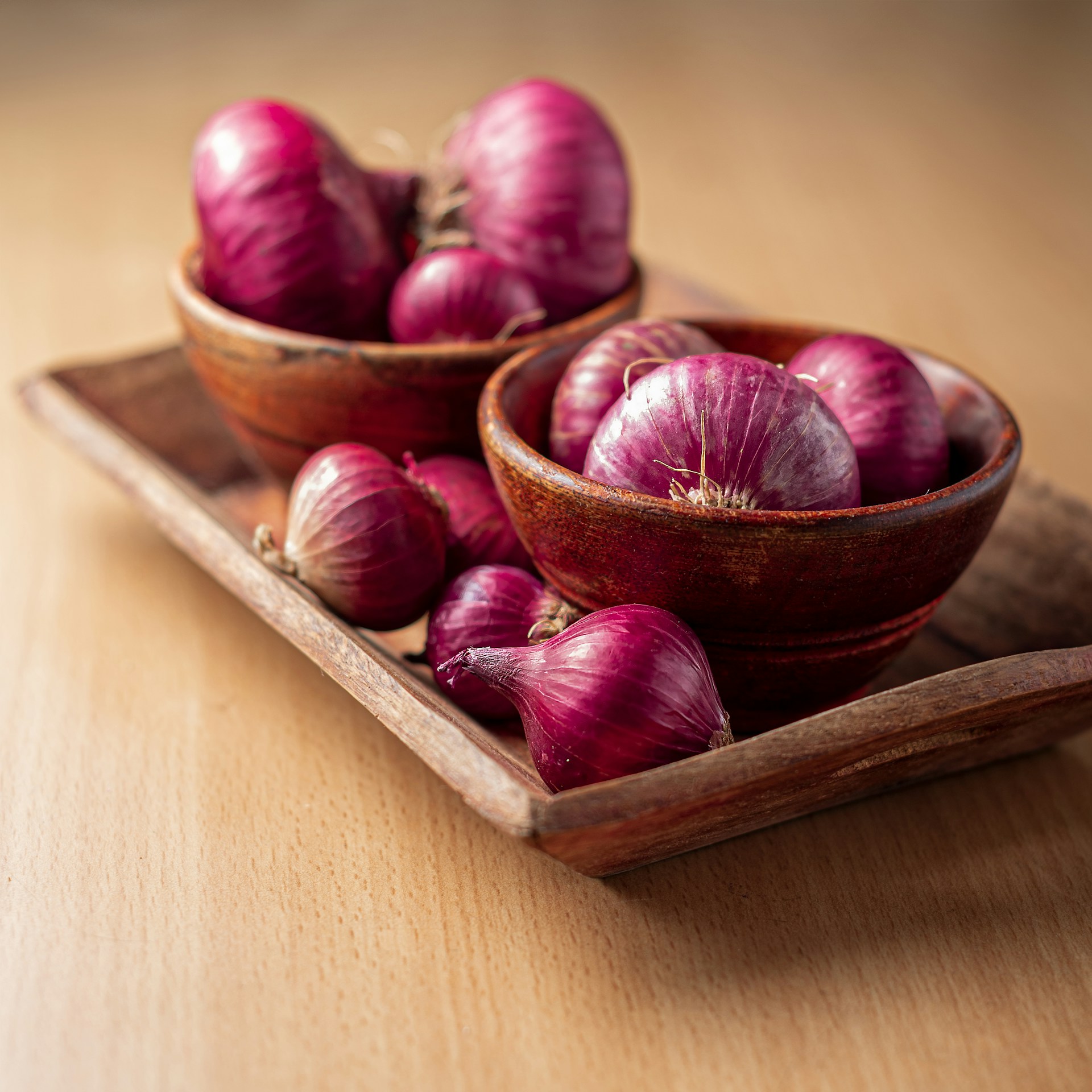
The distinctive characteristics of onions, from their sharp smell to their biting taste, are not just for human culinary delight; they serve as a potent natural defense mechanism against many potential predators. The primary reason most animals steer clear of onions lies in their chemical composition. Onions, along with garlic and chives, belong to the Allium family, which is rich in sulfur compounds. When an onion is cut or chewed, enzymes break down these compounds into various thiosulphates and sulfoxides. These chemicals are responsible for the eye-watering sensation in humans and are also toxic to many animals, particularly mammals.
For pets like dogs and cats, consuming even small amounts of onion can lead to hemolytic anemia, a serious condition where red blood cells are destroyed. Livestock, such as cattle, horses, and sheep, are also susceptible to onion toxicity, experiencing similar blood disorders if they ingest significant quantities. This inherent toxicity, combined with the strong, off-putting flavor and aroma, acts as a powerful deterrent for the vast majority of wild animals. Therefore, onions are generally not a preferred food source and are often among the last plants to be sampled, even when other food options are scarce. Their strong scent can even be used as a natural repellent for some pests.
The occasional nibblers: Animals that might eat onions
Despite the general consensus that onions are unpalatable or even harmful to most creatures, there are always exceptions to the rule. In specific situations, or driven by extreme hunger and lack of alternative food sources, some animals might surprisingly sample or even consume onions. It’s important to differentiate between a curious nibble and regular consumption, as sustained onion eating is rare among wild animals.
- Rabbits: While rabbits typically prefer a variety of greens and vegetables, they can occasionally nibble on the tender green tops of young onion plants. They are less likely to consume the pungent bulbs but might test new growth out of curiosity or if their preferred forage is unavailable. The damage is usually minor, appearing as clean cuts on the leaves.
- Deer: Deer are known to be opportunistic feeders, and while they generally avoid strong-smelling plants like onions, exceptionally harsh winters or periods of drought can make them less selective. They might take a few exploratory bites of onion greens or even the tops of exposed bulbs before realizing the taste is unpleasant and moving on. Extensive damage from deer is uncommon for onions.
- Rodents (voles, squirrels, mice): Voles, in particular, are notorious for tunneling underground and can sometimes damage buried bulbs, including onions. They are less deterred by the scent if they encounter the bulb while foraging for other underground edibles. Squirrels and mice are less likely to target onion bulbs specifically but might sample exposed parts of the plant, especially if other food sources are scarce. Damage from rodents often appears as gnaw marks on the bulb or root system.
It’s crucial to remember that these instances are generally isolated, and onions are not a primary dietary component for any of these animals. Often, damage attributed to onion consumption might be a result of the animal testing the plant, or the onion being collateral damage while the animal seeks other food sources nearby.
Spotting the signs: Identifying onion damage
Accurately identifying the culprit behind garden damage is the first step in effective pest management. When it comes to onions, several indicators can help distinguish between animal activity and other issues. Observing the type and pattern of damage, along with any other evidence left behind, can provide valuable clues.
Here’s what to look for:
- Chew marks: Different animals leave distinct chew marks. Rabbits often make clean, angled cuts on the tops of leaves. Rodents, especially voles or mice, will leave smaller, ragged gnaw marks on bulbs or the base of the plant. Deer tend to tear rather than cut, resulting in jagged edges on foliage.
- Missing plants or dug-up bulbs: If entire plants are pulled out or bulbs are unearthed, this often points to larger animals like raccoons (though they rarely target onions) or sometimes persistent rodents. Look for disturbed soil around the plant.
- Droppings: The presence of animal droppings nearby can be a definitive clue. Rabbit droppings are small, round pellets. Deer droppings are typically larger, dark pellets, often found in clusters. Rodent droppings are tiny and rice-grain shaped.
- Tracks: Muddy or soft soil might reveal animal footprints, helping to identify the specific visitor.
It’s also important to consider the time of day the damage occurs. Nocturnal feeders like voles and mice will leave damage visible in the morning, while rabbits and deer are often active at dawn and dusk. The following table provides a quick reference for common garden pests and their typical interaction with onion plants:
| Animal | Likelihood of eating onions | Typical damage | Additional signs |
|---|---|---|---|
| Rabbits | Low (young greens only) | Clean cuts on leaves | Small, round droppings |
| Deer | Very low (exploratory bites in desperation) | Torn, jagged leaves | Pellet-like droppings, tracks |
| Voles | Moderate (underground bulbs) | Gnaw marks on bulbs, tunnels | Small droppings, burrow entrances |
| Squirrels/Mice | Low (exposed parts, desperation) | Scattered gnaw marks | Small droppings, hurried movements |
| Other wild animals | Extremely low | Rarely directly target onions | N/A |
Safeguarding your harvest: Effective deterrents
Even though onions are largely self-protected by their natural compounds, proactive measures can further secure your crop from the occasional curious nibbler or desperate feeder. Implementing a combination of deterrents is often the most effective strategy, creating an environment that discourages unwanted visitors.
Here are some reliable methods to protect your onion patch:
- Physical barriers: Fencing is a highly effective solution for larger animals like rabbits and deer. For rabbits, a fence at least 2 feet high, buried a few inches into the ground, can be sufficient. Deer require a much taller fence, typically 7-8 feet high, or a double fence system. For smaller pests like voles, consider hardware cloth cages around individual bulbs or raised garden beds with a wire mesh bottom to prevent tunneling.
- Repellents: While onions themselves are natural repellents, you can enhance protection. Commercial animal repellents often use strong scents (like putrescent egg solids or capsaicin) that deter animals without harming them. DIY options include sprinkling cayenne pepper around plants (reapply after rain) or placing cotton balls soaked in strong-smelling essential oils (peppermint, eucalyptus) near the onion patch. Be cautious with strong chemicals and always follow product instructions.
- Companion planting: While onions themselves deter some pests, surrounding them with other strong-smelling plants can create a more formidable barrier. Marigolds, mint, and certain herbs are known to repel various garden pests, adding another layer of defense.
- Garden hygiene: Keeping your garden free of weeds, fallen fruits, and general debris reduces hiding spots for rodents and eliminates alternative food sources that might draw them into the vicinity of your onions. Regularly tilling the soil can also disrupt vole tunnels.
- Predator attraction: Encouraging natural predators like owls, hawks, or even domestic cats (if appropriate for your garden setting) can help keep rodent populations in check.
By employing these strategies, gardeners can significantly reduce the risk of any animal damage to their onion crops, ensuring a healthy and abundant harvest.
Ultimately, while the strong aroma and inherent toxicity of onions generally keep most garden animals at bay, it’s not entirely impossible for certain creatures to take an occasional nibble. Animals like desperate deer, curious rabbits, or subterranean voles might, under specific circumstances, cause some damage to your onion patch. Understanding that onions are rarely a preferred food source, but rather a last resort or an accidental discovery, is key to managing expectations and implementing appropriate preventative measures. Identifying the specific signs of damage, such as chew marks or disturbed soil, helps pinpoint the culprit, guiding your protection efforts. By employing a combination of physical barriers, natural repellents, smart companion planting, and good garden hygiene, you can significantly safeguard your onion harvest. Rest assured, your pungent bulbs are mostly safe, but a little vigilance and strategic defense will ensure they remain undisturbed, ready for your kitchen.