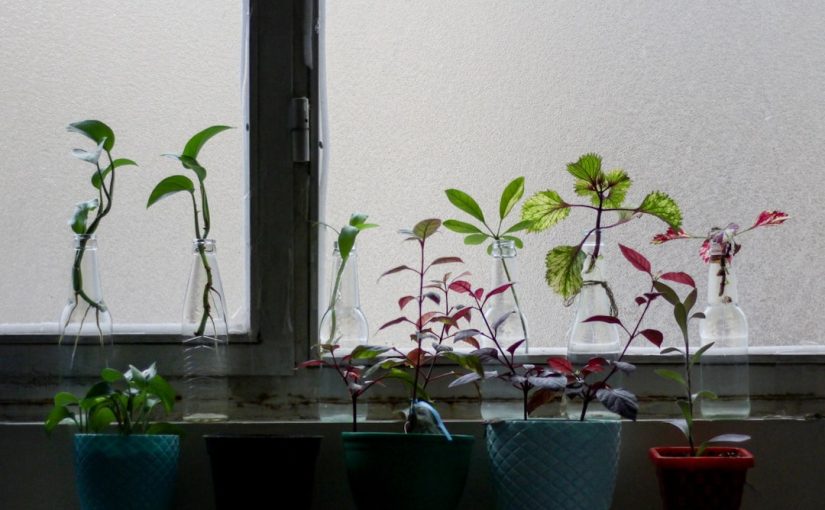
There’s little that sours the joy of nurturing houseplants more than the sight of tiny, dark flies flitting around your beloved greenery. These unwelcome guests, commonly known as fungus gnats, are a pervasive nuisance for many indoor gardeners. While they might seem harmless, their larvae can actually cause significant damage to plant roots, especially in seedlings and young plants, hindering their growth and overall health. The good news? You don’t need harsh chemicals to reclaim your indoor oasis. This article will delve into effective, natural strategies to not only eliminate existing gnat populations but also prevent their return, ensuring your plants thrive in a pest-free environment.
Understanding the enemy: Fungus gnats and their life cycle
Before we can effectively combat fungus gnats, it’s crucial to understand what makes them tick and, more importantly, where they come from. Fungus gnats (scientific family Mycetophilidae and Sciaridae) are small, dark, mosquito-like flies, typically 1/8 inch in length, often mistaken for fruit flies. They are primarily attracted to consistently moist soil, decaying organic matter, and the rich fungi that thrive in such conditions. Their presence is often an indicator of overwatering or poor drainage.
The fungus gnat life cycle, which can be completed in as little as 17 days under ideal conditions, consists of four stages:
- Eggs: Laid in moist soil, often near the base of plants.
- Larvae: Hatch from eggs and are the most damaging stage. These tiny, translucent, worm-like creatures with shiny black heads feed on fungi, decaying plant matter, and crucially, plant roots and root hairs. This root damage can lead to wilting, yellowing leaves, and stunted growth.
- Pupae: The larvae develop into pupae in the soil.
- Adults: Emerge from the pupae to fly around, mate, and lay more eggs, perpetuating the cycle. While adult gnats don’t directly harm plants, they are a nuisance and the primary means of reproduction.
Understanding this cycle is key because effective treatment involves targeting multiple stages to break the cycle and achieve lasting relief.
The foundation of gnat control: Soil moisture management
The single most critical step in eliminating and preventing fungus gnats is addressing their preferred habitat: consistently wet soil. Fungus gnats cannot survive or reproduce in dry conditions. By strategically managing your watering practices, you effectively cut off their lifeline.
- Allow the topsoil to dry out: Between waterings, allow the top 1-2 inches of potting mix to completely dry out. For larger pots, this might mean waiting even longer. You can test this by sticking your finger into the soil. This drying period kills gnat eggs and larvae, which require moisture to survive.
- Use well-draining potting mix: Ensure your plants are potted in a mix that drains freely and doesn’t retain excessive moisture. Amending heavy potting soil with perlite or coarse sand can improve drainage.
- Ensure proper drainage holes: Always use pots with drainage holes to prevent water from pooling at the bottom, which creates an ideal breeding ground. Never let plants sit in standing water in saucers for extended periods; empty excess water after about 30 minutes.
- Consider bottom watering: For some plants, watering from the bottom can be beneficial. Place the pot in a tray of water and allow the plant to soak up moisture through the drainage holes. This keeps the top layer of soil drier, making it less attractive to gnats.
- Avoid overwatering: This is the most common cause of fungus gnat infestations. Learn your plant’s specific watering needs and adjust accordingly. It’s often better to underwater slightly than to overwater.
Natural remedies for active infestations
While moisture control is foundational, active infestations often require additional natural remedies to quickly reduce gnat populations. These methods target both the flying adults and the damaging larvae in the soil.
- Yellow sticky traps: These bright yellow cards, available at most garden stores, are highly attractive to adult fungus gnats. Place them near your infested plants. The gnats will stick to the non-toxic adhesive, effectively removing them from the breeding population and providing a visual indicator of your gnat problem’s severity.
- Apple cider vinegar traps: A simple DIY solution. Pour some apple cider vinegar into a shallow dish, add a few drops of dish soap (to break the surface tension), and place it near your plants. The gnats are attracted to the vinegar, land in the mixture, and drown.
- BTI (Bacillus thuringiensis israelensis): This is a naturally occurring bacterium that is highly effective against gnat larvae. BTI products, often found as “mosquito bits” or dunks, release bacterial spores into the water. When you water your plants with this solution, the larvae ingest the spores, which disrupt their digestive system, leading to their demise within a few days. BTI is completely harmless to humans, pets, and beneficial insects.
- Hydrogen peroxide drench: Mix one part 3% hydrogen peroxide with four parts water. Drench your soil with this solution until it drains from the bottom. The hydrogen peroxide will fizz as it comes into contact with organic matter, including gnat larvae, killing them on contact by oxidizing them. It also provides extra oxygen to the roots. Be cautious with very sensitive plants, but it’s generally safe when diluted.
- Neem oil soil drench: Neem oil is a powerful natural pesticide. Mix organic cold-pressed neem oil according to package directions with water and a small amount of insecticidal soap (as an emulsifier). Use this solution to thoroughly drench your soil. Neem acts as a growth disruptor and anti-feedant for larvae, preventing them from maturing.
- Diatomaceous earth (food grade): Sprinkle a 1/2-inch layer of food-grade diatomaceous earth (DE) over the topsoil of your plants. DE consists of fossilized diatoms, which are microscopic, razor-sharp particles that physically dehydrate and cut the exoskeletons of adult gnats and larvae when they crawl over it. It becomes less effective when wet, so reapply after watering.
- Sand or gravel barrier: A 1-inch layer of horticultural sand or fine gravel on top of the soil can create a physical barrier. This layer dries out quickly, making it difficult for adult gnats to lay eggs and for emerging larvae to reach the surface.
Here’s a quick comparison of some popular natural remedies:
| Remedy | Primary Target | Application Method | Pros | Cons |
|---|---|---|---|---|
| Yellow Sticky Traps | Adults | Place near plants | Highly visible, non-toxic, effective for adults | Doesn’t kill larvae, aesthetically unappealing to some |
| BTI (Mosquito Bits) | Larvae | Mix with water for watering | Highly specific, safe for beneficials, very effective for larvae | Doesn’t kill adults directly, takes a few days to work |
| Hydrogen Peroxide Drench | Larvae | Diluted solution poured into soil | Fast-acting for larvae, oxygenates soil | Can be harsh on very delicate plants if overused |
| Diatomaceous Earth (DE) | Adults & Larvae | Sprinkle on topsoil | Physical action, safe, effective once dry | Ineffective when wet, can be dusty, needs reapplication |
Preventing future gnat invasions: Long-term strategies
Successfully eliminating fungus gnats is only half the battle; preventing their return is key to long-term success and maintaining healthy plants. Incorporating these proactive measures will help keep your indoor garden gnat-free.
- Quarantine new plants: Always inspect new plants thoroughly for pests, including adult gnats or larvae in the soil, before introducing them to your existing collection. Keep them isolated for a few weeks to ensure they are pest-free.
- Use sterile potting mix: Store-bought potting mixes are generally sterile, but always ensure the bag is sealed. If you use garden soil or mix your own, consider sterilizing it by baking it in an oven or microwaving it to kill any potential pest eggs or larvae.
- Avoid bringing garden soil indoors: Garden soil often contains insect eggs, larvae, and fungi that can quickly flourish in an indoor environment. Stick to quality potting mixes specifically designed for houseplants.
- Maintain good airflow: Adequate air circulation helps the soil surface dry out more quickly and makes the environment less appealing to gnats. Consider using a small fan in areas with many plants.
- Clean up fallen debris: Promptly remove any fallen leaves, spent flowers, or other organic matter from the surface of the soil. Decaying organic material is a food source for gnat larvae.
- Repotting: If an infestation is particularly persistent, consider repotting the plant with fresh, sterile potting mix. Gently rinse the roots to remove old soil and any clinging larvae before repotting.
- Beneficial nematodes (Steinernema feltiae): For persistent or recurring issues, these microscopic, soil-dwelling roundworms are a highly effective biological control. They hunt down and kill fungus gnat larvae in the soil without harming plants, pets, or humans. They are usually applied by mixing them with water and drenching the soil.
Conquering a fungus gnat infestation requires a combination of vigilance, understanding, and consistent application of natural methods. While these tiny pests can be incredibly annoying, they are a manageable problem with the right approach. The core strategy remains consistent: disrupt their life cycle by eliminating the moist soil conditions they crave. By diligently managing soil moisture, employing targeted natural remedies like BTI or sticky traps, and adopting preventative measures, you can create an inhospitable environment for gnats. Remember, patience is crucial, as breaking the full life cycle takes time. With these natural, safe, and effective techniques, you’ll soon enjoy a healthier, happier, and gnat-free indoor garden, allowing your plants to thrive without interruption.
Image by: Mohammad saaraan