Many aspiring gardeners in the northeastern United States often wonder if their climate is too challenging for cultivating sun-loving fruits like cantaloupe. The perception is understandable: with its shorter growing seasons, cooler nights, and the occasional late spring or early fall frost, the Northeast doesn’t immediately scream “melon paradise.” However, the good news is that growing delicious, homegrown cantaloupe in this region is not only possible but increasingly successful with the right approach and a bit of horticultural know-how. This article will delve into the specific strategies, ideal varieties, and clever techniques that allow gardeners from Maine to Pennsylvania to enjoy sweet, juicy cantaloupes picked right from their own backyard. Forget the notion that these delightful melons are exclusive to warmer climes; we’re here to show you how to beat the odds and harvest your own northern cantaloupe bounty.
Understanding the northeastern climate challenges
The northeastern United States presents a unique set of climatic factors that home gardeners must navigate when attempting to grow warm-season crops like cantaloupe. Primarily, the challenge stems from a significantly shorter frost-free growing season compared to southern or western regions. Most of the Northeast falls into USDA Plant Hardiness Zones 3 through 7, indicating cold winter temperatures, but more critically for melons, it means fewer consecutive days of warm weather. Cantaloupe (Cucumis melo var. reticulatus) is a heat-loving plant, thriving when temperatures consistently remain above 70°F (21°C) during the day and ideally not dropping below 60°F (15°C) at night. Nights in the Northeast, even during peak summer, can often dip below this optimal threshold, which can slow fruit development and sugar production.
Furthermore, the intensity of sunlight can vary, and while most areas receive ample sun, maximizing exposure is key. Early spring and late fall frosts are also a significant concern, necessitating careful timing for planting out and potentially requiring protective measures. High humidity in some coastal or valley areas can also contribute to fungal diseases if not managed. Understanding these climatic nuances is the first step toward successful cantaloupe cultivation, as it informs decisions about variety selection and specific growing techniques.
Selecting the right cantaloupe varieties for short seasons
The success of growing cantaloupe in the Northeast hinges significantly on choosing varieties bred for shorter maturity times and tolerance to cooler conditions. Standard cantaloupe varieties might require 90-100 days to reach maturity, a timeline that often exceeds the reliably warm, frost-free period in many northeastern locations. Fortunately, plant breeders have developed “short-season” or “early-maturing” cantaloupe cultivars specifically to address these challenges. These varieties typically mature in 70-80 days, allowing them to ripen before the autumn chill sets in.
When selecting seeds or starts, look for descriptions that explicitly mention early maturity, cold tolerance, or suitability for northern climates. Some popular and reliable choices for northeastern gardeners include:
- Minnesota Midget: A heritage variety known for its extremely early maturity (60-75 days) and small, personal-sized fruits, perfect for smaller gardens.
- Halona: A hybrid known for its excellent disease resistance and sweet, firm flesh, maturing in about 75 days.
- Ambrosia: A classic hybrid, maturing in about 80-85 days, prized for its sweetness and consistent performance.
- Early Dew: An early-maturing honeydew-type cantaloupe that performs well in cooler areas, ready in around 75 days.
Referencing the “days to maturity” on seed packets is crucial. Opting for varieties with the shortest maturity windows gives your plants the best chance to produce ripe, flavorful fruit before the season ends.
Cultivation techniques for maximizing northern yields
Beyond variety selection, specific cultivation techniques can significantly enhance your cantaloupe harvest in the Northeast. The goal is to maximize heat retention, extend the effective growing season, and provide optimal conditions for vigorous growth and fruit development.
Site selection and soil preparation
Choose a planting site that receives full sun – at least 8 hours of direct sunlight daily. A south-facing slope or a location protected from northern winds can offer additional warmth. Cantaloupes thrive in well-drained soil rich in organic matter. Amend heavy clay soils with compost, aged manure, or other organic materials to improve drainage and fertility. Aim for a soil pH between 6.0 and 6.8. Raised beds are an excellent option for northeastern growers, as they warm up faster in spring and provide superior drainage.
Heat management strategies
This is perhaps the most critical aspect for northern cantaloupe success:
- Black plastic mulch: Laying black plastic sheeting over your prepared garden beds a few weeks before planting will significantly warm the soil. It also suppresses weeds and helps retain moisture. Plant seedlings directly through holes cut in the plastic.
- Row covers or cloches: For early season protection and warmth, use floating row covers or individual cloches (like clear plastic milk jugs with the bottom cut out) immediately after planting. These create a mini-greenhouse effect, protecting young plants from cool nights and pests. Remove them when temperatures consistently stay warm and flowers appear to allow for pollination.
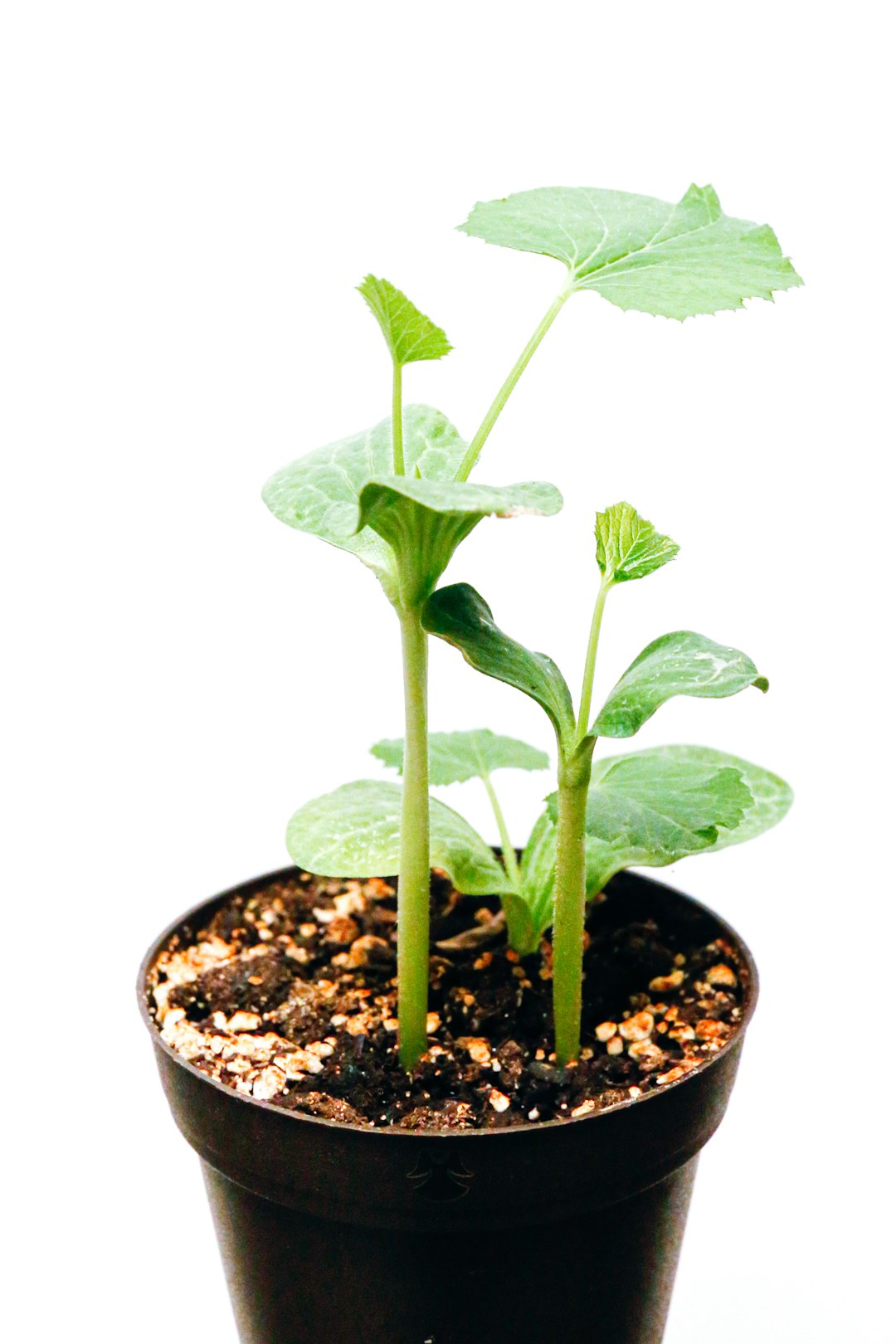
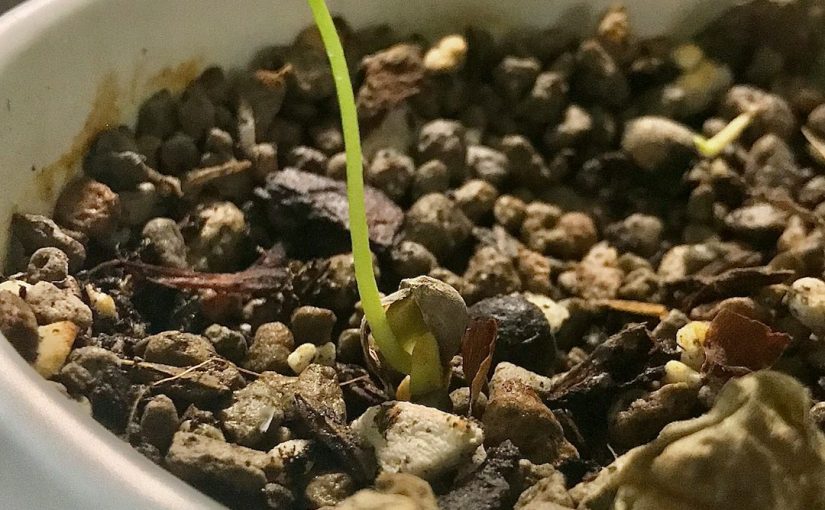
- Starting seeds indoors: To get a head start on the short growing season, start cantaloupe seeds indoors 3-4 weeks before your last anticipated frost date. Use peat pots or other biodegradable containers to minimize root disturbance during transplanting. Harden off seedlings gradually before moving them outdoors.
Planting, watering, and feeding
Transplant seedlings outdoors only after all danger of frost has passed and soil temperatures have consistently reached at least 65°F (18°C). Space plants according to packet directions, typically 2-3 feet apart in rows 5-6 feet apart. Provide consistent moisture, especially during flowering and fruit development. Cantaloupes are heavy feeders; incorporate a balanced fertilizer into the soil before planting, and side-dress with compost or a balanced liquid feed once fruits begin to form. Avoid overhead watering to minimize the risk of fungal diseases.
Pollination and pruning
Ensure good pollination by attracting bees to your garden. Avoid using broad-spectrum pesticides that can harm beneficial insects. Some gardeners prune their cantaloupe vines to focus the plant’s energy on fewer, larger fruits, especially in shorter seasons. Pinching off secondary shoots and limiting each vine to 2-3 fruits can be beneficial, though not strictly necessary for most early varieties.
Here’s a quick comparison of popular short-season cantaloupe varieties:
| Variety | Days to Maturity (Approx.) | Fruit Size | Notes for Northeast |
|---|---|---|---|
| Minnesota Midget | 60-75 | Small (personal) | Very early, compact vines, ideal for small spaces. |
| Halona | 75 | Medium | Good disease resistance, high sugar content. |
| Ambrosia | 80-85 | Medium-Large | Classic flavor, reliable performer, needs consistent warmth. |
| Earlisweet | 70-75 | Small-Medium | Early, sweet, good for northern zones. |
Harvesting your northeastern cantaloupe
Knowing when to harvest your cantaloupe is critical for enjoying the best flavor, especially in a region where every day of sun counts. Unlike some fruits, cantaloupes do not continue to sweeten significantly after being picked. The classic indicator for ripeness is the “full slip,” where the fruit detaches easily from the vine with a slight twist or even on its own. However, in cooler northeastern climates, the full slip might not always be as pronounced or consistent as it is in warmer regions, making other indicators equally important.
Look for a distinct change in the fruit’s skin color from green to a creamy yellow or tan under the netting. The netting on the melon’s surface should become well-defined and appear raised. A strong, sweet, musky aroma emanating from the blossom end (the opposite end from the stem) is another reliable sign of ripeness. Gently press the blossom end; it should give slightly. If the stem still requires significant force to detach, the melon is likely not fully ripe. Carefully inspect the area where the stem attaches to the fruit; a crack or circular indentation forming around the stem (the beginning of the slip) indicates it’s very close. Harvest melons in the morning for the best flavor, as their sugar content is highest then. Enjoying a perfectly ripe, homegrown cantaloupe from your northeastern garden is a testament to your efforts and a truly rewarding experience.
In conclusion, the question “Can you grow cantaloupe in the Northeast?” can definitively be answered with a resounding yes! While the region’s shorter growing seasons and cooler temperatures present genuine challenges, they are far from insurmountable. By strategically selecting early-maturing, short-season varieties, implementing effective heat management techniques such as black plastic mulch and row covers, and starting seeds indoors, gardeners can successfully cultivate delicious cantaloupes. From proper site selection and soil preparation to vigilant watering and careful harvest timing, each step plays a crucial role in maximizing your yield and flavor. The reward of slicing into a sweet, juicy cantaloupe that you’ve nurtured from seed in your own northeastern garden is unparalleled. So, embrace the challenge, apply these proven methods, and prepare to enjoy the taste of summer, even if your garden is nestled in a cooler climate. Your efforts will be richly repaid with a bounty of homegrown goodness.
Image by: Daisy Tran