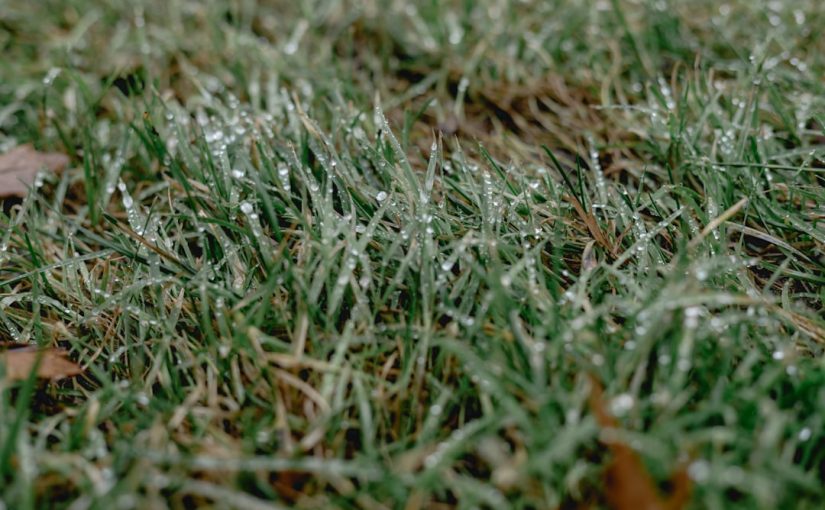
A sudden drop in temperature can leave your lush green lawn looking discolored and limp, a clear sign of frost damage. While the sight of frost-bitten grass can be alarming, it’s important to understand that not all brown blades mean permanent damage. Your lawn’s ability to recover hinges significantly on the actions you take, or sometimes, the actions you *don’t* take, in the days and weeks following a frost event. This article will guide you through the essential steps for assessing the damage, implementing proper care, and fostering a robust recovery for your turf. We’ll explore immediate post-frost measures, strategic nutrient application, and long-term health strategies to help your lawn bounce back stronger and more resilient against future cold snaps.
Understanding the aftermath: initial assessment and patience
When frost hits your lawn, the immediate reaction might be to rush outside and assess the damage. However, this is precisely when patience becomes your most valuable tool. Frost causes water inside the grass blades to freeze and expand, rupturing cell walls. This damage makes the grass incredibly fragile. Walking on a frozen or even partially thawed lawn can exacerbate the damage, literally breaking the delicate, compromised cells and creating pathways for further stress or disease. It’s crucial to resist the urge to tread on your lawn until it has fully thawed and dried out.
Once the ground has completely thawed, begin a careful assessment. Look closely at the grass blades. Are they merely discolored at the tips, or is the entire blade brown and brittle? Often, the crown of the grass plant – the central growth point – remains viable even if the blades appear dead. Many cool-season grasses are naturally quite resilient and simply go dormant during colder temperatures, appearing brown but ready to spring back to life. Distinguishing between dormancy, superficial damage, and truly dead grass will inform your next steps. Give your lawn a few days, or even a week, to see if any natural recovery begins before taking more drastic measures. This waiting period allows the grass to begin its natural healing process and can prevent unnecessary intervention.
Gentle care for immediate recovery
Once you’ve given your lawn some time to settle after the frost, and you’ve determined the extent of the damage, it’s time to implement gentle care strategies. The primary goal during this initial recovery phase is to support the grass without adding further stress. The first crucial step is proper hydration. If your soil feels dry a few days after the thaw, a light, even watering can be beneficial. This helps rehydrate the grass cells and the soil, aiding in nutrient uptake and recovery. Avoid overwatering, which can lead to fungal issues in weakened turf.
Resist the temptation to mow immediately. Your grass needs to conserve all its energy for recovery. Wait until you see clear signs of new growth or until the weather has consistently warmed, indicating the grass has moved past its dormant or stressed state. When you do eventually mow, raise your mower’s blade height to its highest setting. This leaves more leaf surface area for photosynthesis, allowing the grass to generate more energy for continued healing and growth. Similarly, avoid heavy foot traffic, pets, or equipment on the recovering lawn. While the initial extreme fragility has passed, the grass is still vulnerable and needs time to regain its strength. Lightly raking away any *clearly* dead and detached thatch can be done carefully, but avoid aggressive raking that might pull up healthy, recovering roots.
| Action | Timing Post-Frost | Reasoning |
|---|---|---|
| Walking on lawn | Avoid immediately | Damages fragile, frozen grass cells |
| Gentle watering | Once thawed, if soil is dry | Rehydrates grass cells and aids recovery |
| Heavy fertilization | Avoid immediately | Can stress damaged roots; wait for active growth |
| Mowing | Delay until active growth resumes | Allows grass to recover naturally without added stress |
| Overseeding | Wait for optimal spring/fall temperatures | Ensures seed germination and establishment |
Nourishing your lawn back to health: fertilization and re-seeding strategies
Once your lawn shows signs of active recovery and the threat of further frost has passed, you can begin to consider more active steps to nourish it back to full health. Proper fertilization is key, but timing is critical. Applying a heavy dose of nitrogen fertilizer immediately after a frost can actually be detrimental, forcing weakened grass to put energy into top growth rather than root repair. Instead, wait until your lawn is actively growing and the soil temperatures are consistently above 50-55°F (10-13°C) for cool-season grasses. At this point, a balanced slow-release fertilizer or one tailored for spring growth can provide the necessary nutrients to support vigorous recovery and new growth. Consider a soil test to determine specific nutrient deficiencies before applying any fertilizer.
If your initial assessment revealed significant die-back and bare patches, overseeding will be necessary to fill in those areas and restore lawn density. The ideal time for overseeding depends on your grass type and climate, but generally, spring (after the last frost and when soil temperatures are conducive to germination) or early fall are the best windows. Ensure good seed-to-soil contact by lightly raking the bare spots, then spread high-quality grass seed. Keep the newly seeded areas consistently moist until germination and establishment. For severely damaged lawns, aeration before overseeding can significantly improve soil health, allowing better water and nutrient penetration and creating an ideal environment for new grass roots to thrive. This strategic approach to feeding and reseeding ensures your lawn not only recovers but also becomes denser and more robust.
Long-term resilience: preparing for future frosts
Beyond immediate recovery, cultivating long-term resilience is crucial for protecting your lawn against future frost events and other environmental stresses. A healthy lawn is a strong lawn, and good cultural practices are its best defense. Ensuring your lawn receives adequate, deep watering (about one inch per week, including rainfall) encourages deep root growth, making grass more tolerant to temperature fluctuations and drought. Proper fertilization throughout the year, based on soil test results and your grass type, provides the necessary nutrients for robust growth and strengthens cell walls.
Mowing at the correct height is also vital. Taller grass blades (typically 2.5-3.5 inches for most cool-season grasses) provide more surface area for photosynthesis, create shade for the soil, and insulate the crown of the plant from extreme temperatures. Additionally, selecting grass varieties that are well-suited to your local climate and known for their cold hardiness can make a significant difference. If you’re considering a renovation or overseeding, research varieties that offer improved resistance to cold. Finally, addressing any underlying soil compaction through annual aeration will enhance root development, nutrient uptake, and overall plant vigor. By consistently implementing these practices, you’ll not only repair frost damage but also build a lawn that can withstand the whims of winter with greater ease and recover quickly from any challenges it faces.
Navigating the aftermath of a frost can feel daunting, but with the right approach, your lawn can fully recover and even emerge stronger. The key takeaways begin with patience and a careful initial assessment, resisting the urge to intervene immediately or walk on fragile, frozen blades. Once the threat of frost has passed, implement gentle care through appropriate watering and by delaying mowing until active growth resumes. As your lawn begins to show signs of life, strategically apply a balanced fertilizer and consider overseeding any bare patches to restore density and health. Ultimately, a proactive approach to lawn care – including proper watering, fertilization, mowing, and potentially choosing cold-hardy grass varieties – builds long-term resilience. By following these steps, you not only address immediate frost damage but also equip your lawn to better withstand future cold snaps, ensuring a vibrant and healthy turf for years to come.
Image by: Shashi Chaturvedula