For enthusiastic gardeners, the moment those first green shoots emerge from the soil is a truly gratifying experience. When it comes to planting red beet seeds, the anticipation is no different. Understanding how long it takes for these particular seeds to germinate is crucial for planning your garden, managing expectations, and ensuring a successful harvest. While many factors can influence the timeline, red beet seeds generally follow a predictable pattern. This article will delve into the typical germination period for red beets, explore the environmental conditions that either aid or hinder their progress, and provide practical tips to help you achieve robust sprouting. From optimal soil temperatures to adequate moisture, we’ll uncover the secrets to coaxing your beet seeds to life efficiently, ensuring your gardening efforts are richly rewarded.
The basics of beet seed germination
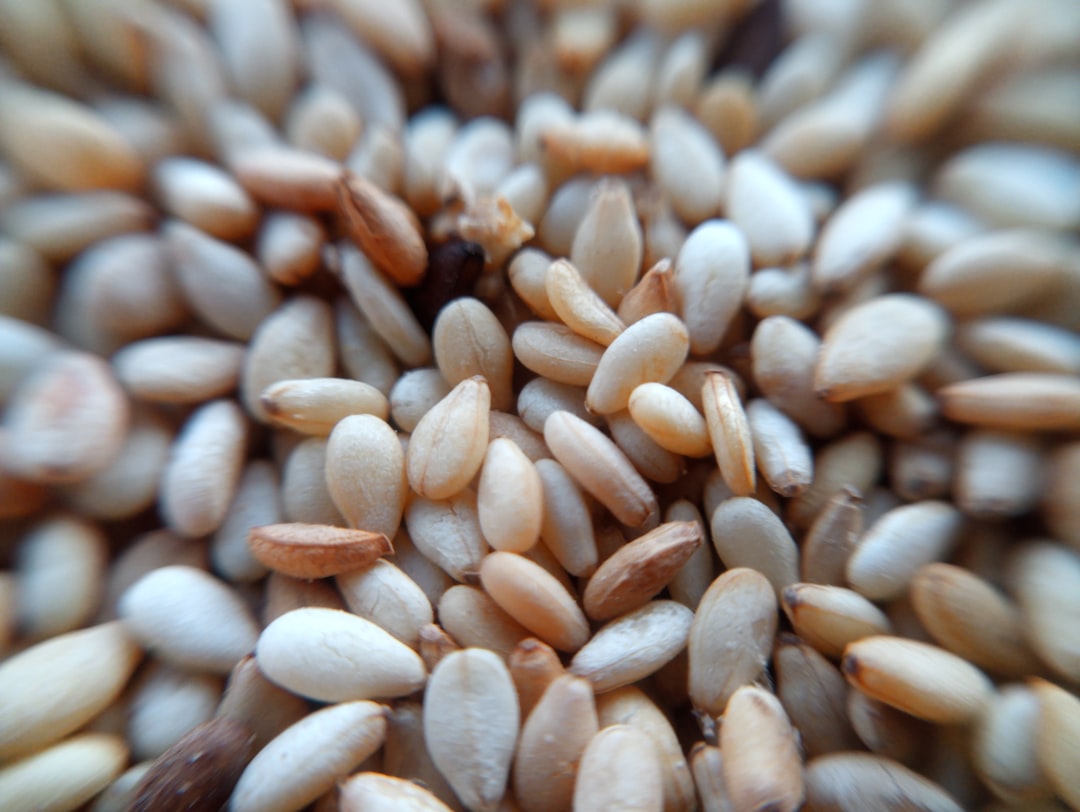
Before diving into the timing, it’s helpful to understand what a beet “seed” actually is. Unlike many other vegetable seeds, what we typically plant as a single beet seed is, in fact, a cluster of tiny seeds encased in a corky fruit. This unique structure, often called a “seed ball,” means that each planted seed cluster has the potential to produce multiple seedlings. This characteristic is why thinning beet seedlings is often necessary, but we’ll get to that later. Under ideal conditions, red beet seeds typically begin to germinate within 5 to 10 days. However, this is a broad range, and several environmental factors play a significant role in determining whether you see sprouts closer to the five-day mark or closer to ten, or even longer.
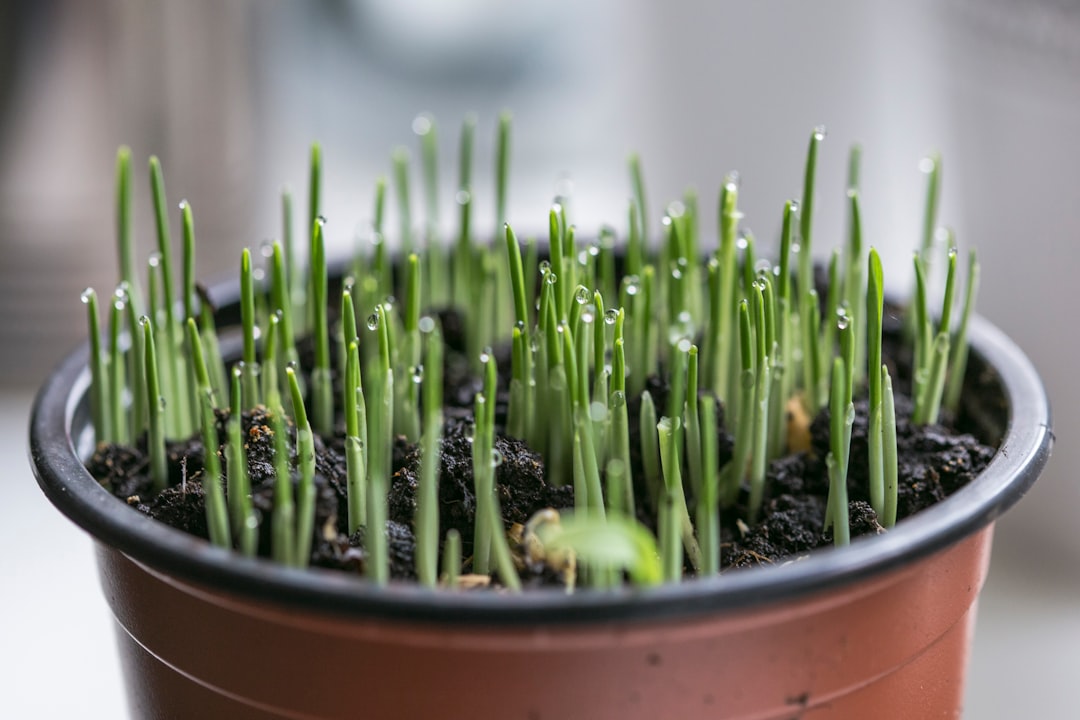
The primary requirements for beet seed germination are consistent moisture and appropriate soil temperature. The seeds absorb water, which activates enzymes and metabolic processes within the embryo, causing it to swell and eventually break through its protective casing. While beets don’t necessarily require light for germination, ensuring they are planted at the correct depth and have access to the right conditions below the surface is paramount for successful sprouting.
Essential factors influencing germination speed
Achieving quick and reliable germination for red beets largely depends on managing a few critical environmental factors. Understanding these elements can significantly improve your success rate and reduce the waiting time for those vibrant green shoots.
- Soil temperature: This is perhaps the most crucial factor. Beet seeds germinate best when the soil temperature is between 50°F and 85°F (10°C and 29°C). Within this range, warmer temperatures generally lead to faster germination. For instance, at 75°F (24°C), you might see sprouts in as little as 3-5 days. However, in cooler soils, say 50°F (10°C), it could take up to 14 days or even longer. Germination can be inhibited or very slow if the soil is too cold (below 40°F / 4°C) or too hot (above 90°F / 32°C).
- Moisture content: Consistent moisture is vital. The soil needs to be moist, but not waterlogged. If the soil dries out during the germination period, the delicate process will halt, and the seeds may die. Conversely, overly wet soil can lead to fungal diseases and rot. A good rule of thumb is to keep the soil consistently damp, like a wrung-out sponge.
- Seed viability and age: Fresher seeds generally have a higher germination rate and sprout more quickly than older seeds. Beet seeds typically remain viable for about 4-5 years if stored properly in a cool, dry place. Using seeds from a reputable source and checking their expiration date can make a big difference.
- Planting depth: Beet seeds should be planted shallowly, about 1/2 inch deep. If planted too deep, the seedlings may struggle to reach the surface, expending too much energy and delaying emergence, or even failing to sprout at all.
Here’s a quick reference for beet seed germination based on temperature:
| Soil Temperature | Approximate Germination Time |
|---|---|
| 40°F (4°C) | 21+ days |
| 50°F (10°C) | 10-14 days |
| 60-70°F (16-21°C) | 5-10 days |
| 75°F (24°C) | 3-5 days |
| 85°F (29°C) | 3-5 days |
| 90°F+ (32°C+) | Inhibited / Very poor |
Accelerating beet seed germination: Practical tips
For gardeners eager to see their beet seeds sprout, there are several simple yet effective strategies to help speed up the germination process and ensure a strong start for your crop. These methods address the critical factors we’ve discussed, giving your seeds the best possible environment to thrive.
- Pre-soaking seeds: One of the most common and effective ways to accelerate germination is to pre-soak your beet seed balls. Submerging them in room temperature water for 12 to 24 hours before planting helps to soften the tough outer coating and leaches out germination-inhibiting chemicals naturally present in the seed cluster. This gives the embryo a head start in absorbing the necessary moisture for activation. After soaking, plant them immediately.
- Maintain optimal soil temperature: If you’re planting early in the season and soil temperatures are on the cooler side, consider using a soil thermometer to monitor conditions. For those aiming for the fastest germination, waiting until soil temperatures consistently reach at least 60°F (16°C) will yield quicker results. In cooler climates, using cloches or row covers can help warm the soil slightly.
- Consistent moisture management: After planting, it’s crucial to keep the seedbed consistently moist but not soggy. A fine mist sprayer or a watering can with a gentle rose attachment is ideal to avoid displacing the shallowly planted seeds. Daily checks, especially in warm or windy weather, are important to ensure the top layer of soil doesn’t dry out.
- Shallow planting: Reiterate the importance of planting beet seeds no deeper than 1/2 inch. This ensures the emerging seedlings have minimal soil to push through to reach sunlight. Covering the seeds with a thin layer of fine soil or compost will help maintain moisture around them.
- Thinning: Remember that beet seed balls can produce multiple seedlings. Once they emerge, typically when they are a few inches tall, you’ll need to thin them to about 3-4 inches apart to allow individual beets enough space to develop large, healthy roots. This isn’t a germination tip, but a vital follow-up to ensure your germination efforts lead to a successful harvest.
By implementing these practical tips, you can significantly reduce the time it takes for your red beet seeds to germinate and set the stage for a thriving, productive beet patch in your garden.
Understanding the germination timeline for red beet seeds is key to successful gardening, transforming what might seem like a waiting game into a strategic process. We’ve explored that while the typical period ranges from 5 to 10 days, several factors profoundly influence this duration. Optimal soil temperature, ideally between 50°F and 85°F, is paramount, with warmer conditions within this range accelerating the process. Consistent moisture, without waterlogging, is equally crucial, as is the viability of your seeds. Employing strategies like pre-soaking seeds, ensuring shallow planting, and diligently managing soil moisture can significantly hasten emergence. Ultimately, patience combined with informed practices will yield robust seedlings. By paying close attention to these environmental cues and applying these straightforward techniques, you can confidently anticipate the gratifying sight of your red beet seedlings pushing through the soil, well on their way to becoming delicious, earthy roots.
Image by: Milada Vigerova