Weeds are the bane of many gardeners’ existence, persistent intruders that compete with beloved plants for vital resources like water, nutrients, and sunlight. The constant battle against these unwelcome guests often leads gardeners to seek sustainable and effective solutions. One widely discussed method is using mulch to smother and kill weeds. But can a simple layer of organic or inorganic material truly eliminate established weeds, or is it merely a preventative measure? This article delves into the science behind using mulch for weed control, exploring its mechanisms, the best types to choose, proper application techniques, and what to realistically expect from this popular gardening practice. We will uncover whether mulch is a magic bullet or a strategic tool in your long-term weed management arsenal.
The mechanism behind mulch and weed suppression
To understand how mulch can kill weeds, it’s essential to grasp the fundamental principles at play. Mulch primarily works through two critical mechanisms: light deprivation and smothering. Weeds, like all green plants, rely on sunlight for photosynthesis, the process by which they convert light energy into chemical energy for growth. A sufficiently thick layer of mulch acts as an impenetrable barrier, blocking sunlight from reaching the weed foliage and, crucially, any new seedlings attempting to sprout. Without light, photosynthesis ceases, and the weed eventually starves and dies.
Simultaneously, mulch provides a physical barrier, effectively smothering the weeds. This dense layer physically weighs down and restricts the upward growth of existing weeds. Weaker, annual weeds are particularly susceptible to this smothering effect. While deeply rooted perennial weeds might initially try to push through, a thick, consistent mulch layer can exhaust their energy reserves over time, leading to their demise. Beyond these primary actions, mulch also helps regulate soil temperature and moisture. While beneficial for desired plants, it can also suppress weed seed germination by creating less favorable conditions on the soil surface, preventing seeds from receiving the light and temperature fluctuations they need to sprout.
Choosing the right mulch for effective weed control
The success of using mulch to kill weeds largely depends on selecting the appropriate type. Not all mulches are created equal when it comes to their smothering and light-blocking capabilities. Generally, mulches are categorized as either organic or inorganic.
- Organic mulches decompose over time, enriching the soil. Excellent choices for killing existing weeds include:
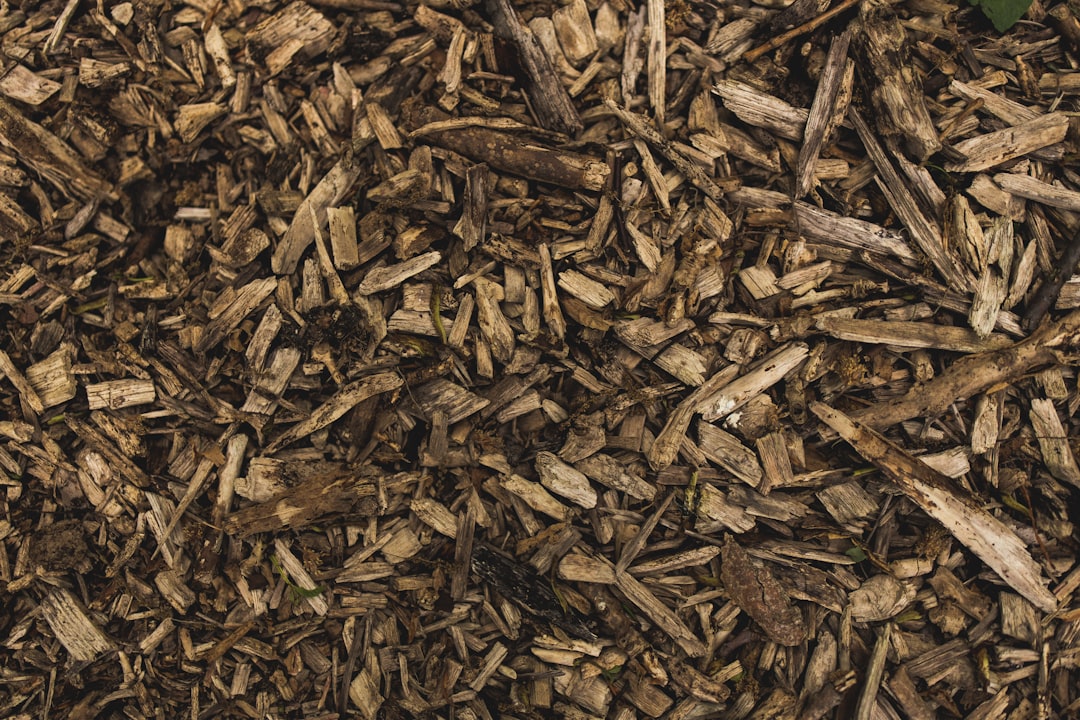
- Wood chips or shredded bark: These provide a dense, interlocking layer that is highly effective at blocking light and smothering. A layer 4-6 inches deep is often recommended.
- Straw: While lighter, a thick layer (6-8 inches) of weed-seed-free straw can be effective, especially in vegetable gardens.
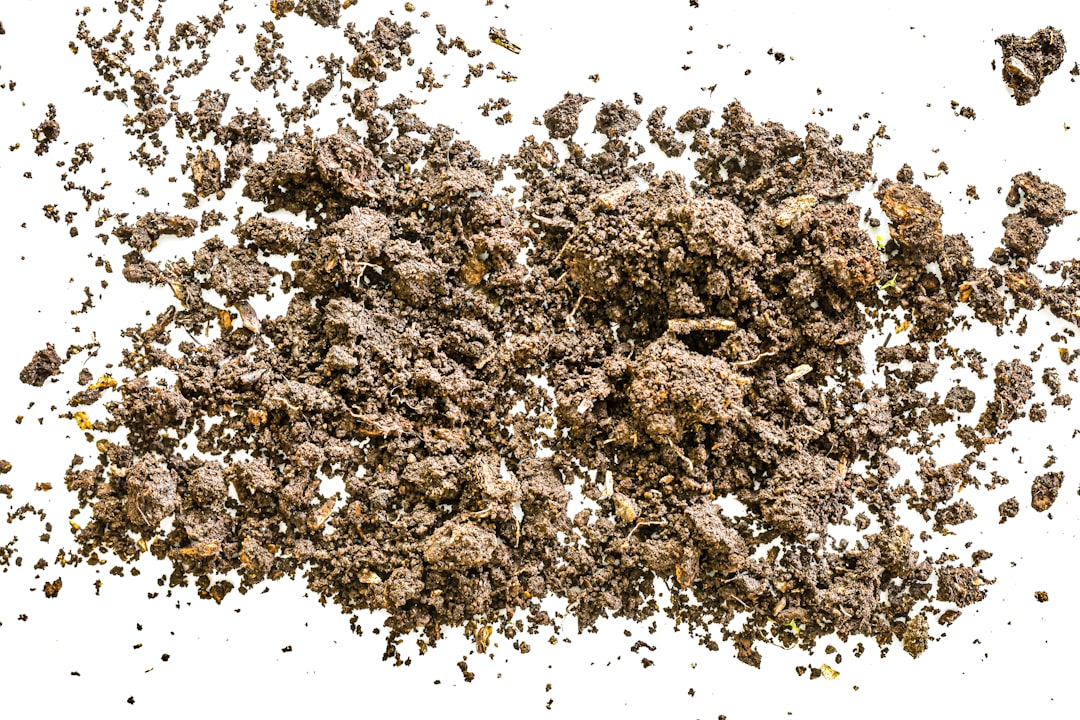
- Compost: A deep layer of finished compost (at least 3-4 inches) can also smother weeds while providing incredible soil benefits.
- Newspaper or cardboard: Often used as a foundational layer, these are exceptionally good at blocking light and suffocating weeds. They are usually covered with a more aesthetically pleasing organic mulch.
- Inorganic mulches, such as landscape fabric, gravel, or rubber mulch, do not decompose. While they can suppress new weeds by blocking light, they are less effective at *killing* established weeds on their own, as they don’t provide the same smothering weight or integrate into the soil to break down roots. Landscape fabric, in particular, can be problematic over time as soil and organic matter accumulate on top, allowing weeds to root into the fabric itself.
For truly killing existing weeds, a dense, dark organic mulch, especially when paired with a cardboard base, offers the best chances of success.
Preparation and application: key to success
Simply throwing mulch over a patch of weeds is unlikely to yield the desired results, particularly with stubborn perennial varieties. Proper preparation and application are paramount for effective weed eradication. The first and most crucial step is to *remove as many existing weeds as possible before mulching*. While the goal is to kill them with mulch, drastically reducing their numbers beforehand gives the mulch a significant advantage. This is especially true for weeds with deep taproots or rhizomatous growth that can easily push through thinner mulch layers.
Once the area is as clear as possible, the application process begins:
- Lay a barrier (optional but highly recommended): For tough weeds or larger areas, consider laying down a layer of cardboard or several sheets of newspaper. Overlap the edges significantly (at least 6-8 inches) to prevent weeds from sneaking through the gaps. Wet the cardboard or newspaper thoroughly; this helps it settle, stay in place, and begin to decompose, further aiding the smothering process.
- Apply the primary mulch layer: On top of the cardboard/newspaper or directly onto cleared soil, spread your chosen organic mulch. The key here is *depth*. For effective weed killing and suppression, aim for a layer 4-6 inches deep for most organic mulches like wood chips or shredded bark. If using straw, you might need 6-8 inches.
- Water thoroughly: After application, water the mulched area well. This helps settle the mulch, reduces dust, and creates a moist environment that is less favorable for weed seeds.
Maintain a gap of several inches between the mulch and the base of tree trunks or plant stems to prevent moisture buildup and potential rot or pest issues. Consistency in depth across the entire area is vital to avoid weak spots where weeds can emerge.
Beyond immediate kill: long-term weed management and considerations
While mulch can be a powerful tool for killing existing weeds, its true strength often lies in its long-term benefits for weed prevention and overall garden health. After successfully eliminating an initial flush of weeds, a consistent mulch layer acts as a fantastic barrier against new weed seed germination. Many weed seeds require light to sprout, and a permanent mulch layer denies them this crucial trigger, significantly reducing your future weeding efforts.
However, it’s important to set realistic expectations. Some aggressive perennial weeds, such as bindweed, horsetail, or certain types of thistle, possess incredible resilience. Their deep root systems and ability to spread vigorously mean they might eventually find a way to push through even thick mulch or regrow from roots that extend beyond the mulched area. For these tenacious invaders, mulch should be considered part of a broader strategy, potentially combined with manual removal or targeted treatment.
Maintaining the mulch layer is also crucial. Organic mulches decompose over time, so they will need to be replenished periodically, typically annually or biennially, to maintain the recommended depth. Regularly monitor your mulched areas for any breakthrough weeds and address them promptly before they establish themselves. While mulching offers significant advantages, gardeners should be aware of potential downsides, such as over-mulching (which can suffocate plant roots or create an environment for fungal diseases if piled too high against plant stems) or the initial cost and labor involved in application. Understanding these factors allows for a balanced and effective approach to weed management.
Here’s a quick overview of mulch effectiveness:
| Mulch Type | Primary Benefit for Weeds | Kill Existing Weeds? | Suppress New Weeds? | Longevity (without replenishment) |
|---|---|---|---|---|
| Wood Chips / Shredded Bark | Smothering, light block | Moderate (with thick layer) | High | Medium-High (1-3 years) |
| Cardboard / Newspaper | Extreme light block, smothering | High (excellent base layer) | High | Low-Medium (6 months – 1.5 years) |
| Straw (weed-free) | Smothering, light block | Moderate (with thick layer) | High (garden beds) | Low (6-12 months) |
| Compost | Smothering, light block | Moderate (with thick layer) | High | Low (6-12 months) |
| Landscape Fabric (with top mulch) | Physical barrier, light block | Low (alone) / Moderate (with top mulch) | High | High (multiple years) |
In conclusion, the answer to whether you can cover weeds with mulch to kill them is a resounding “yes,” provided the method is applied thoughtfully and thoroughly. Mulch works by effectively depriving weeds of the sunlight they need to photosynthesize and by physically smothering them, exhausting their growth efforts. The success hinges on selecting dense organic mulches like wood chips or shredded bark, often enhanced by a base layer of cardboard or newspaper, and applying them at a sufficient depth of 4-6 inches.
While mulch can eliminate many existing weeds, it is most powerful when combined with initial weeding and understood as a continuous, proactive strategy rather than a one-time fix. For highly aggressive perennial weeds, it serves as a strong deterrent that reduces their vigor, though it may not always achieve complete eradication without additional measures. Ultimately, mulch stands as an incredibly effective, environmentally friendly, and labor-saving tool in the gardener’s fight against weeds, transforming the arduous task of weeding into a manageable aspect of garden care when used wisely.
Image by: Manish Sharma