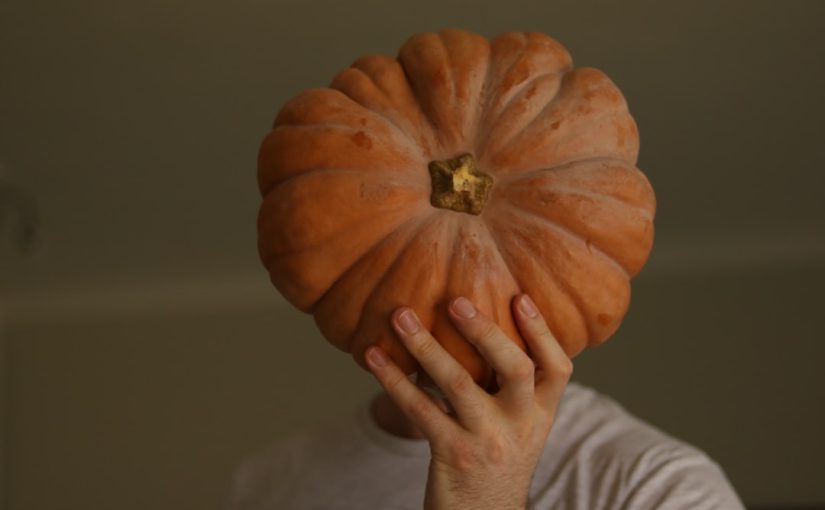
Few garden sights bring as much joy as a patch of thriving pumpkins, their vines sprawling and fruits slowly ripening under the sun. However, this idyllic scene can quickly turn frustrating when unwelcome guests – worms – infest your treasured gourds. Worms in pumpkins can decimate a promising harvest, turning plump, vibrant fruits into unsightly, decaying messes. These pests, primarily the larvae of various moths and beetles, tunnel into the fruit or stems, causing internal damage that leads to rot and renders the pumpkin inedible or unfit for carving. Fortunately, preventing these common garden nuisances is entirely achievable with the right strategies. This article will guide you through effective preventative measures, from selecting the right varieties and maintaining garden hygiene to employing vigilant monitoring and targeted pest control methods, ensuring your pumpkin patch yields a bountiful, worm-free harvest.
Identifying the common culprits and understanding their life cycles
To effectively prevent worms in pumpkins, it is crucial to understand who your adversaries are and how they operate. The primary culprits responsible for internal damage to pumpkins often include the squash vine borer and the pickleworm. Recognizing their signs and life cycles allows for timely intervention.
- The squash vine borer (Melittia cucurbitae): This is perhaps the most devastating pest for pumpkins and other squash. The adult is a moth that lays eggs at the base of pumpkin stems. Once hatched, the larvae (the “worms”) bore into the stem, feeding internally, which causes vines to wilt and eventually die. Later in the season, they can also tunnel into the pumpkin fruit itself. Frass (sawdust-like excrement) near the base of the stem is a tell-tale sign of their presence.
- The pickleworm (Diaphania nitidalis): While more prevalent in southern climates, the pickleworm can cause significant damage. The adult moth lays eggs on buds, flowers, or young fruit. The larvae, which are yellowish-white with small spots, bore into flowers, stems, and especially the fruit. They create holes and internal tunnels, leading to fruit rot and decay.
Understanding these life cycles is key: prevention often means targeting the egg-laying adult or the newly hatched larvae before they bore into the plant or fruit where they are protected.
Strategic planting and garden hygiene for a strong start
Prevention begins long before the first pumpkin appears. A robust garden plan and diligent hygiene practices can significantly reduce pest pressure.
- Crop rotation: Avoid planting pumpkins in the same spot year after year. Pests and their eggs can overwinter in the soil. Rotating crops breaks their life cycle and reduces the buildup of pest populations.
- Choose resistant varieties: While no pumpkin variety is completely immune, some exhibit greater tolerance or resistance to specific pests. Research local extension offices for recommended varieties that fare well against common pests in your region.
- Proper spacing and air circulation: Overcrowded plants are stressed plants, and stressed plants are more susceptible to pest infestations. Ensure adequate spacing between pumpkin hills to promote good air circulation, which also helps reduce fungal diseases that can weaken plants.
- Healthy soil: Begin with nutrient-rich, well-draining soil. Healthy soil fosters strong plants that are better equipped to resist pest attacks. Incorporate compost and organic matter to build soil health.
- Timely planting: Planting early or late can sometimes help avoid the peak activity periods of certain pests, though this strategy varies by region and specific pest.
Vigilant monitoring and physical barriers during growth
Once your pumpkins are growing, consistent monitoring and proactive physical barriers are your next line of defense against worms.
- Regular inspection: Walk your pumpkin patch daily, especially checking the undersides of leaves, stems (particularly near the base), and developing fruits for eggs, larvae, or any signs of damage like frass or small bore holes. Early detection is critical for successful intervention.
- Hand-picking: If you spot squash vine borer eggs (small, flat, reddish-brown) on stems or pickleworm larvae on flowers/buds, carefully remove and destroy them. This simple act can prevent widespread infestation.
- Row covers: For young plants, lightweight floating row covers can effectively prevent adult moths from laying eggs on your pumpkins. Ensure the edges are securely anchored to the ground. Remove covers when plants begin to flower to allow for pollination by bees.
- Companion planting: Certain plants can deter pests. For example, planting nasturtiums or marigolds nearby is thought to repel some squash pests.
- Stem wrapping: For squash vine borers, you can wrap the base of pumpkin stems with aluminum foil, old pantyhose, or strips of cloth. This creates a physical barrier that prevents the moth from laying eggs directly on the stem or the larvae from boring in.
- Mounding soil: Mounding soil over pumpkin vines at several points along their length can encourage secondary roots to form. If a borer damages the main stem, these secondary roots can help the plant continue to receive water and nutrients.
Integrated pest management techniques for stubborn infestations
Even with the best preventative measures, some pests might still get through. When this happens, an integrated pest management (IPM) approach combines various strategies, often prioritizing organic and least-toxic methods first.
- Bacillus thuringiensis (Bt): This is a naturally occurring soil bacterium that is highly effective against caterpillars and moth larvae, including the squash vine borer and pickleworm. Bt works as a stomach poison, so larvae must ingest it.
Pest Target Stage Application Strategy Key Considerations Squash Vine Borer Newly hatched larvae (before boring) Inject Bt into lower stem or spray at base, weekly for 3-4 weeks once moths appear. Timing is crucial; target young larvae as they hatch. Reapply after rain. Pickleworm Young larvae (on flowers/fruit) Spray thoroughly on flowers, buds, and young fruit every 5-7 days. Ensure good coverage. Best applied in the evening. - Neem oil: An organic insecticide, neem oil works as a repellent, growth regulator, and antifeedant. It can be sprayed on leaves and stems to deter pests and disrupt their life cycles.
- Insecticidal soaps: These can be effective against soft-bodied insects and some larvae if they are directly sprayed. They work by disrupting the insect’s cell membranes.
- Trap cropping: Planting a more attractive “sacrifice” crop (like zucchini or blue hubbard squash) nearby can divert pests away from your main pumpkin crop. Monitor and treat the trap crop regularly.
- Beneficial insects: Encourage natural predators like lacewings, ladybugs, and parasitic wasps by planting diverse flowers and avoiding broad-spectrum pesticides that harm them.
Preventing worms in pumpkins boils down to a multi-faceted, proactive approach, embracing a blend of foresight and vigilance. By understanding the common pests like the squash vine borer and pickleworm, and intimately knowing their life cycles, gardeners can implement timely and highly effective strategies. Starting with healthy soil, strategic crop rotation, and selecting naturally resistant varieties lays a strong, foundational defense. This initial preparation sets your pumpkin plants on a path to resilience. Continuous vigilance through regular garden inspection, coupled with physical barriers such as floating row covers and companion planting, offers an excellent frontline defense against unwelcome invaders. When pests inevitably make an appearance, integrated pest management, utilizing organic options like Bacillus thuringiensis (Bt) and neem oil, provides targeted and environmentally responsible solutions. Embracing these preventative measures not only safeguards your pumpkin harvest but also fosters a healthier, more resilient garden ecosystem. The satisfaction of growing perfect, pest-free pumpkins, ready for carving, cooking, or festive display, makes every effort worthwhile.
Image by: Alicia Christin Gerald