The delicate dance of a butterfly flitting from flower to flower is a common and beautiful sight, often associated with nectar collection. However, their interaction with plants extends far beyond simply feeding. When a female butterfly embarks on the crucial task of perpetuating her species, she becomes incredibly selective, seeking out very specific plant leaves on which to deposit her tiny, precious eggs. This choice is not random; it’s a matter of survival, a biological imperative deeply rooted in the co-evolutionary history between butterflies and their botanical partners. Understanding what leaves butterflies lay eggs on unveils a fascinating world of intricate ecological relationships, chemical communication, and the precise needs of their future offspring, the caterpillars. It highlights a critical aspect of the butterfly life cycle often overlooked, yet fundamental to their existence.
The crucial connection: host plants and survival
Butterflies are not just pretty faces in the garden; they are architects of a complex life cycle, and the foundation of this cycle is the host plant. The term “host plant” refers to the specific species of plant that a female butterfly chooses for egg-laying, and it’s a decision loaded with significance. Upon hatching, the resulting caterpillar is entirely dependent on these leaves for its initial and often exclusive food source. Unlike the adult butterfly, which sips nectar from a wide variety of flowers, the caterpillar is a highly specialized eater. This extreme pickiness is due to the unique digestive systems of different caterpillar species, which are adapted to process the specific chemical compounds found in particular plants. Many plants produce secondary metabolites—compounds not directly involved in growth or reproduction—that act as toxins to deter generalist herbivores. However, certain caterpillars have evolved remarkable abilities to either detoxify these compounds or even sequester them for their own defense against predators. Therefore, the female butterfly, instinctively driven, must ensure that her progeny will hatch directly onto the exact type of leaf that provides both nourishment and, in many cases, protection.
Identifying common host plants for popular butterfly species
The specificity of host plant requirements means that if you want to attract and support butterflies in your garden, providing the correct leaves for their caterpillars is paramount. Without these specific plants, the butterfly life cycle cannot begin in your space. Here are some well-known butterfly species and the particular plants they rely on for laying their eggs:
| Butterfly species | Primary host plants for egg-laying | Notes |
|---|---|---|
| Monarch butterfly | Milkweed (Asclepias spp.) | Exclusive diet; caterpillars ingest toxins for defense. |
| Black swallowtail | Parsley, dill, fennel, carrot (Apiaceae family) | Common garden herbs. |
| Eastern tiger swallowtail | Wild cherry, sweetbay magnolia, tulip tree, ash (various tree species) | Larvae often blend in with twigs. |
| Painted lady | Thistle, mallow, borage, various legumes | Highly adaptable, uses a wide range of plants. |
| Gulf fritillary | Passionflower (Passiflora spp.) | Caterpillars are spiky and brightly colored. |
| Common buckeye | Plantain, snapdragon, toadflax | Ground-dwelling plants. |
| Red-spotted purple | Wild cherry, quaking aspen, willow, birch | Often mimic bird droppings as young larvae. |
This table illustrates that while some butterflies are extremely specialized, others, like the Painted Lady, exhibit a bit more flexibility, although still within a defined set of plant families. The key takeaway is that for almost every butterfly, there’s a specific plant or a narrow group of plants its caterpillars require.
More than just food: the role of plant chemistry
The selection process for a host plant goes far beyond simple nutrition; it’s a sophisticated chemical dialogue between the butterfly and the plant. Female butterflies possess highly sensitive chemoreceptors, primarily on their antennae and legs, that allow them to “taste” or detect specific chemical compounds unique to their preferred host plants. These compounds act as powerful cues, signaling to the butterfly that the plant is suitable for her offspring. For instance, milkweed contains cardiac glycosides, which are toxic to most animals. Monarch butterflies, however, have evolved to not only tolerate these compounds but to sequester them within their bodies, making both the caterpillars and adult butterflies unpalatable to predators. The presence of these specific glycosides on a milkweed leaf is the signal a female Monarch looks for. Similarly, plants in the parsley family produce furanocoumarins, which Black Swallowtail caterpillars have adapted to process. This intricate chemical recognition system is the bedrock of the host plant relationship, ensuring that eggs are laid only where caterpillars can thrive and often gain protective advantages.
Creating a butterfly-friendly garden: encouraging egg-laying
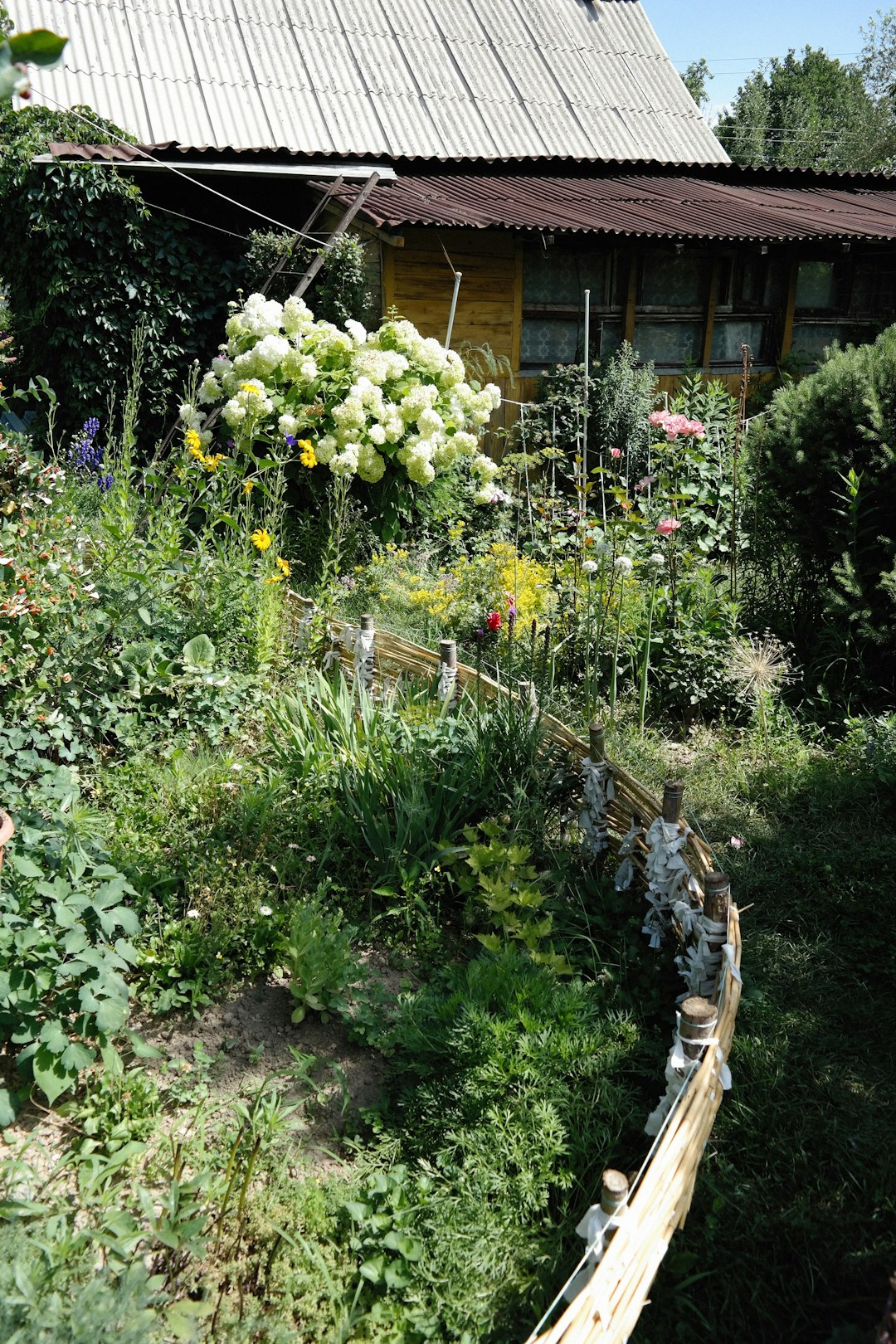
For those passionate about supporting local butterfly populations, creating a garden that not only provides nectar for adult butterflies but also host plants for their larvae is the most impactful step you can take. Start by researching the native butterfly species in your region and their specific host plant requirements. Local nurseries often carry native plants, and conservation organizations can be excellent resources. Plant a variety of these host plants, ensuring you have enough to sustain multiple generations of caterpillars. Remember that caterpillars are voracious eaters; expect to see some leaves munched upon—this is a sign of success! Avoid using pesticides or insecticides in your garden, as these chemicals are indiscriminate and will harm or kill caterpillars. Consider planting in groups to create larger targets for egg-laying females. A diverse garden with a mix of host plants, nectar sources, and perhaps even some damp spots for “puddling” (where male butterflies extract minerals) will create a thriving ecosystem that supports the entire butterfly life cycle, from egg to adult.
In conclusion, the question of what leaves butterflies lay eggs on unveils a fascinating and highly specialized aspect of their biology, one that is absolutely fundamental to their survival. We’ve explored how the choice of host plant is not arbitrary, but a critical decision driven by millions of years of co-evolution between butterflies and specific plant species. This intricate relationship ensures that the hatching caterpillars have immediate access to the precise nutritional and chemical defenses they need to grow and metamorphose. From the Monarch’s exclusive reliance on milkweed to the Black Swallowtail’s affinity for herbs like parsley, each butterfly species has a specific botanical partner. Understanding these connections, particularly the role of unique plant chemistry in signaling suitability, empowers us to create environments that genuinely support these delicate creatures. By integrating native host plants into our gardens and abstaining from harmful pesticides, we don’t just provide food; we participate in a crucial ecological dance, offering a vital link in the butterfly’s life cycle and contributing to the health and biodiversity of our ecosystems. It is a powerful reminder that every leaf, every plant, plays a significant role in the natural world.
Image by: Meina Yin