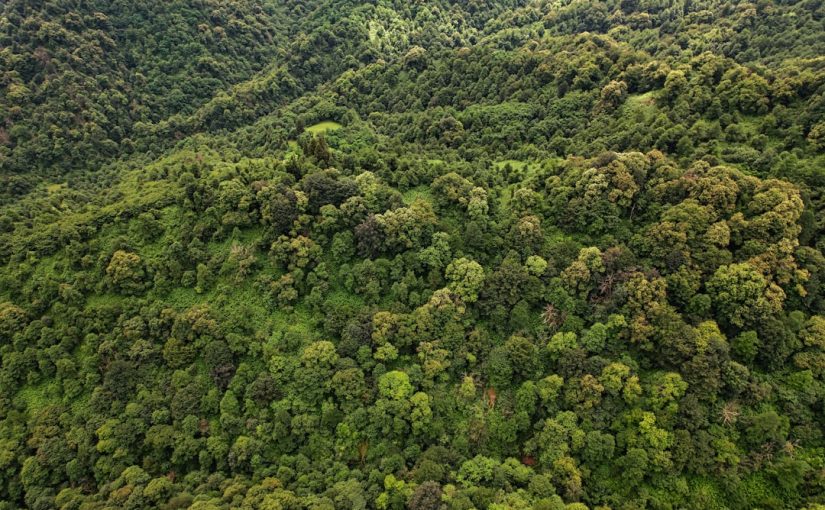
A lawn bordered by dense woods presents a unique and often enchanting landscaping opportunity. Unlike open plots, these spaces demand a thoughtful approach that harmonizes the manicured with the wild, respecting the existing natural beauty while introducing intentional design. The challenge lies in creating a seamless transition, managing shade, contending with tree roots, and attracting beneficial wildlife, all while cultivating a vibrant and accessible outdoor living area. This article will explore innovative landscaping ideas designed to transform your forest-edged lawn into a captivating extension of nature, offering practical strategies to blend your green space with the surrounding woodland, overcome common obstacles, and craft an inviting environment that celebrates its natural context.
The art of the natural edge: blending forest and lawn
The most crucial step in landscaping a lawn surrounded by woods is acknowledging and enhancing the transition zone between the two distinct environments. Instead of a harsh, abrupt line where grass ends and forest begins, aim for a “soft edge” that gradually blends the cultivated lawn into the wilder woodland. This approach creates visual depth, supports biodiversity, and reduces maintenance. Start by receding the lawn a few feet from the outermost tree line, allowing for a graduated planting area.
Within this transition zone, prioritize native plants that thrive in the local ecosystem and are accustomed to partial or full shade. Understory trees like dogwood, serviceberry, or redbud can create an intermediate layer, offering seasonal interest with flowers, berries, and autumn color. Below these, layer in shade-loving shrubs such as rhododendrons, azaleas, hydrangeas, or various viburnums, depending on your climate and soil. Groundcovers like ferns, hostas, astilbes, or foamflower can then carpet the forest floor, suppressing weeds and adding texture. Varying the height and texture of these plantings mimics the natural structure of a forest, making the transition feel organic and intentional. Consider grouping plants in drifts for a more naturalistic effect, rather than planting in rigid rows.
Conquering the elements: shade, roots, and soil solutions
The beauty of a wooded setting often comes with its own set of challenges, primarily deep shade, competing tree roots, and potentially acidic soil. These elements dictate plant selection and design strategies. For areas experiencing heavy shade where grass struggles, consider shade-tolerant groundcovers or creating woodland garden beds. Ferns offer a wide variety of textures and heights, while hostas come in countless leaf colors and sizes, brightening dark corners. For flowering options, bleeding hearts, impatiens (if annuals are desired), and hellebores thrive in dimmer light.
Tree roots pose a significant obstacle to planting, as they compete fiercely for water and nutrients. Instead of digging deeply and potentially damaging roots, consider building raised garden beds in areas where new plantings are desired. This allows you to bring in fresh, amended soil suitable for your chosen plants without disturbing the established tree root systems. When planting directly in the ground near trees, select plants known for their tolerance to root competition and opt for smaller specimens that can establish more easily. Amend existing soil with compost and organic matter to improve drainage and nutrient content, but avoid drastically altering the soil pH unless necessary for specific plant needs. Regular mulching with leaves or wood chips around plants will help conserve moisture, regulate soil temperature, and add organic matter as it decomposes.
Here’s a quick guide to plant selection for common challenges:
| Challenge | Recommended Plant Type | Examples | Benefit/Consideration |
|---|---|---|---|
| Deep shade | Groundcovers, Perennials | Hostas, Ferns, Astilbe, Hellebores | Adds texture, color, and suppresses weeds where grass struggles. |
| Root competition | Shrubs, Perennials | Oakleaf Hydrangea, Lenten Rose, Coral Bells | Tolerant of dry shade; consider raised beds for easier establishment. |
| Deer browsing | Deer-resistant varieties | Bleeding Heart, Ferns, Boxwood, Lavender | Reduces damage; can be combined with physical deterrents. |
| Seasonal interest | Understory Trees, Shrubs | Dogwood, Serviceberry, Rhododendron, Azalea | Flowers, berries, fall foliage; provides vertical layering. |
Crafting visual interest: pathways, focal points, and seating
To truly integrate your lawn with the surrounding woods, think about how people move through and experience the space. Pathways are essential for guiding visitors and creating a sense of journey. Instead of rigid concrete, opt for natural materials that blend seamlessly with the environment. Crushed gravel, wood chips, stepping stones made from natural rock, or even simple mown grass paths that wind gently are excellent choices. These paths can lead to hidden seating areas, a small clearing, or simply provide a pleasant stroll through your woodland edge garden. A winding path naturally invites exploration and softens the perceived boundaries of your property.
Focal points draw the eye and add character. A well-placed bench or rustic swing tucked into a semi-secluded spot under the trees can offer a peaceful retreat. Natural elements like a moss-covered boulder, a section of an old log used as a sculpture, or a bird bath crafted from stone can serve as understated focal points. For a touch of artistry, consider a piece of naturalistic sculpture that complements the woodland setting. Subtle lighting, such as solar-powered path lights or string lights draped between trees, can extend the enjoyment of your landscape into the evening, creating an ethereal glow that highlights the textures of the woods. These design elements encourage interaction with the space, transforming a simple lawn into an engaging outdoor room.
An ecological approach: supporting nature and sustainability
Landscaping an area surrounded by woods offers a unique opportunity to embrace sustainable practices and support local wildlife. By choosing native plants, you provide food and habitat for native birds, insects, and small mammals, contributing to the health of your local ecosystem. Native plants are also typically better adapted to local soil and climate conditions, requiring less water, fertilizer, and pest control once established. Incorporate plants that offer multiple benefits, such as berry-producing shrubs for birds, nectar-rich flowers for pollinators, and host plants for butterfly larvae.
Consider implementing strategies that minimize your environmental footprint. Reduce lawn areas where possible, as lawns often require significant water and chemical inputs. Instead, expand your naturalized woodland edges or plant alternative groundcovers. Embrace the fallen leaves from your surrounding trees; instead of raking them away, use them as a natural mulch in your woodland beds. This enriches the soil, suppresses weeds, and mimics the natural decomposition process of the forest floor. Managing stormwater runoff through rain gardens or permeable pathways can also benefit your property and the broader environment. By approaching your landscape with an ecological mindset, you create not just a beautiful yard, but a thriving, resilient ecosystem that works in harmony with the wilderness around it.
Landscaping a lawn surrounded by woods is an exciting journey of integrating cultivated beauty with the untamed grace of nature. By focusing on creating a soft, natural transition zone, wisely addressing the challenges of shade, roots, and soil, and carefully selecting plants that thrive in these conditions, you can establish a landscape that feels both designed and deeply rooted in its environment. Incorporating pathways, subtle focal points, and seating areas invites engagement and offers serene retreats, while adopting an ecological approach ensures your space supports local wildlife and promotes sustainability. The ultimate goal is to craft a cohesive outdoor sanctuary where the lawn flows effortlessly into the woods, enhancing the natural appeal of your property and providing a personal haven that celebrates the unique character of its surroundings.
Image by: Max