Transforming a sprawling 3-acre yard into a cohesive, beautiful, and functional landscape is a monumental yet incredibly rewarding endeavor. Unlike smaller plots, a property of this size offers a vast canvas for creativity, allowing for distinct zones, grand features, and ample space for both utility and leisure. This article will guide you through the intricate process, from envisioning your dream outdoor space to selecting the right elements and understanding the long-term commitment. We will explore the strategic planning required to manage such a large scale, the essential design components, how to create engaging zones, and the crucial aspects of sustainable maintenance, ensuring your 3-acre yard becomes a magnificent extension of your home.
The vision and strategic planning
Embarking on a 3-acre landscape project begins not with a shovel, but with a well-defined vision and meticulous strategic planning. The sheer scale demands a thoughtful approach, starting with a comprehensive assessment of your property’s existing conditions. Carefully evaluate the soil composition across different areas – some might be sandy, others clayey, impacting plant selection and drainage. Observe sun exposure patterns throughout the day and across seasons, noting shaded pockets and sun-drenched expanses. Topography plays a critical role; identify natural slopes, low points where water might collect, and high points offering vantage views. Take stock of any existing trees, rock formations, or structures that can be integrated into your new design or necessitate removal.
Next, define your desired aesthetic and functional needs. Do you envision a formal English garden, a naturalistic meadow, a vibrant edible landscape, or a combination? Consider how you intend to use the space: entertaining large groups, quiet contemplation, family play, or wildlife observation. A crucial step for large properties is zoning. Divide your 3 acres into distinct functional areas such as an entry sequence, public entertainment zones, private relaxation spots, utility areas (for composting, sheds, vegetable gardens), and potentially a wilder, naturalized section. This partitioning helps break down the immense task into manageable segments, ensuring a cohesive flow while addressing diverse needs. Finally, establish a realistic budget and consider a phased approach. Completing a 3-acre landscape often spans several years, allowing you to prioritize and spread costs over time.
Essential elements for a large landscape
Once your strategic plan is in place, attention turns to the essential elements that will define and structure your vast outdoor space. Hardscaping forms the backbone, providing structure, pathways, and defined areas. For a 3-acre property, gravel drives, natural stone walkways, and expansive patios are not just aesthetic choices but practical necessities for navigating the property and creating gathering spaces. Consider how these elements will connect your various zones, guiding visitors seamlessly from one area to the next. Retaining walls might be crucial for managing significant slopes or creating terraced gardens, adding architectural interest and functionality.
Water features, whether a meandering stream, a serene pond, or an elaborate irrigation system, become indispensable on a large scale. While decorative ponds add tranquility and habitat, a robust irrigation system is paramount for sustaining plant life across three acres without constant manual watering. Drip irrigation for planting beds and smart sprinkler systems for lawns can significantly reduce water waste and labor. When selecting plants, scale is key. Large trees provide immediate impact, shade, and structure, while mass plantings of shrubs and perennials create visual sweeps that resonate across the expansive landscape. Prioritize native species whenever possible, as they are naturally adapted to your climate, require less water and maintenance, and support local wildlife. Thoughtful lighting extends the usability of your landscape into the evening hours, highlighting features, illuminating pathways for safety, and creating ambiance for outdoor entertaining.
Creating functional and aesthetic zones
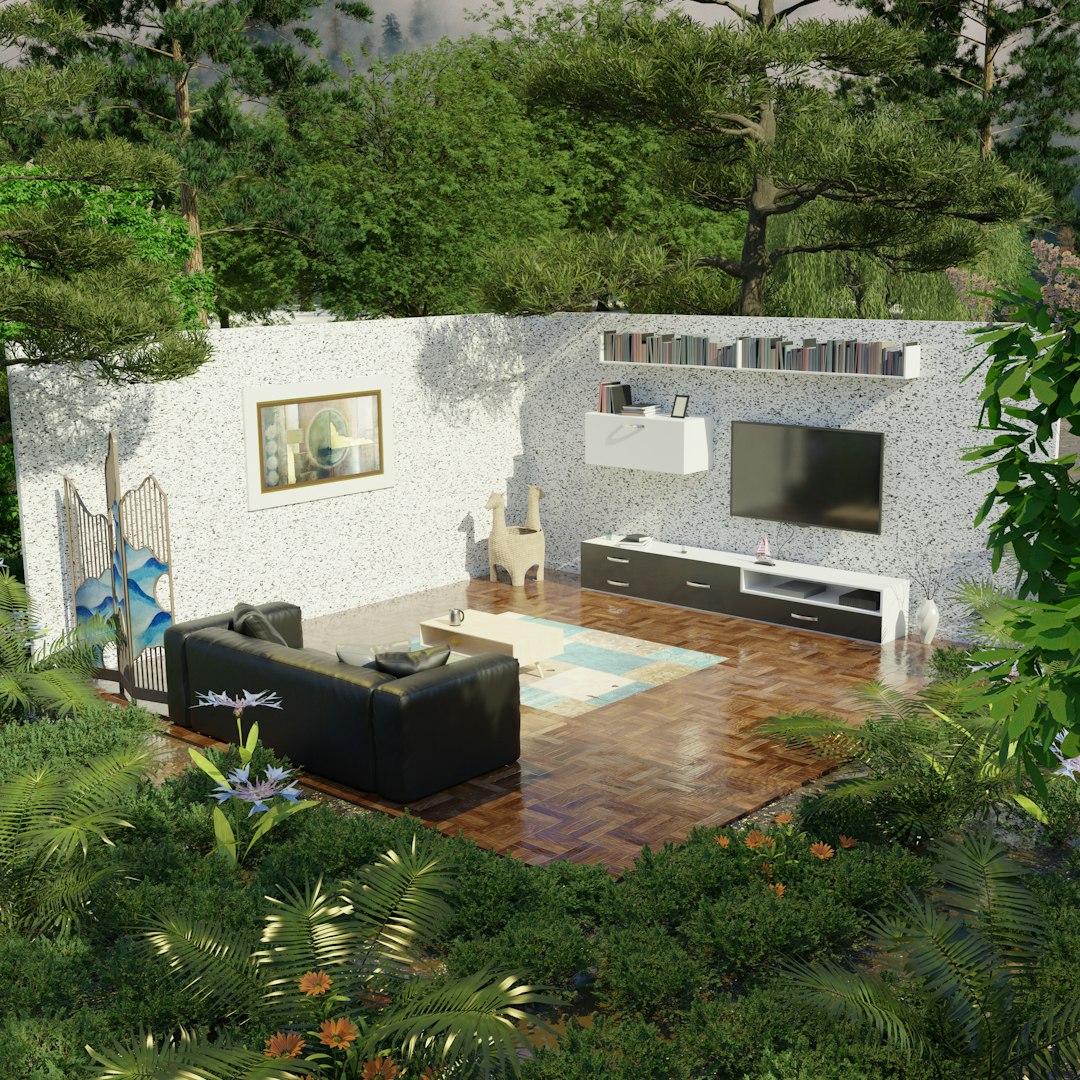
Designing a 3-acre yard involves more than just planting; it’s about crafting distinct environments that serve specific purposes while contributing to the overall beauty of the property. The journey begins with the welcoming entry. This typically includes a well-defined driveway, perhaps bordered by stately trees or ornamental grasses, leading to a front garden that sets the tone for your entire estate. Consider a prominent gate or entryway feature that introduces guests to your unique style. Beyond the immediate welcome, develop public or entertaining spaces. An expansive patio adjacent to the house is a given, but a 3-acre property allows for multiple gathering points—perhaps a shaded pergola for dining, a fire pit area for evening gatherings, or even an outdoor kitchen strategically placed away from the main house to minimize noise and traffic near private areas. These spaces should be easily accessible but feel distinct.
Alongside public areas, carve out private retreats. These could be small, intimate seating areas tucked away amidst lush plantings, a secluded meditation garden, or a reading nook offering specific views of the landscape. Privacy can be enhanced with natural screening from taller shrubs or strategically placed pergolas. Don’t forget utility or working areas. Designate a dedicated space for a vegetable garden, a composting area, a garden shed, or even a discreet children’s play area. These zones need to be practical and accessible but often visually separated from purely aesthetic areas. Finally, consider incorporating wildlife habitats. A portion of your 3 acres could be dedicated to native plantings, a wild meadow, or even a small pond to attract birds, butterflies, and other beneficial creatures, adding ecological value and dynamic beauty to your property. The transitions between these zones are vital; use pathways, changes in planting style, or subtle grade changes to create a fluid and interesting journey through your expansive landscape.
Maintenance, sustainability, and long-term growth
Maintaining a 3-acre landscape is a significant undertaking, but with thoughtful planning and sustainable practices, it becomes a manageable and even enjoyable endeavor. Efficient irrigation strategies are paramount. Move beyond traditional sprinklers where possible; consider drip irrigation for planting beds and smart irrigation systems that use weather data to optimize watering schedules, significantly reducing water consumption. Nurturing soil health is crucial for long-term plant vitality. Implement regular composting and mulching programs to enrich the soil, suppress weeds, and retain moisture. For such a large area, consider creating multiple composting stations conveniently located near different planting zones.
Pest and disease management for a large property often benefits from an integrated pest management (IPM) approach, emphasizing natural controls and monitoring over widespread chemical applications. This aligns with broader sustainable practices such as rainwater harvesting for non-potable uses, planting drought-tolerant and native species that require less supplemental watering, and minimizing the use of synthetic fertilizers and pesticides. Regular seasonal tasks, like pruning, weeding, and fertilizing, will be more extensive on a 3-acre property, so consider investing in appropriate tools or engaging professional help for specific tasks. Remember that a landscape is a living entity; it grows, evolves, and changes with the seasons and over the years. Embrace this evolution, allowing for new plantings, adapting to mature growth, and continually refining your space to meet your changing needs and desires.
| Task Category | Key Considerations for Large Scale | Recommended Frequency |
|---|---|---|
| Irrigation Management | Zone-specific watering, smart controllers, drip systems for beds | As needed (daily/weekly based on weather/plants) |
| Weeding & Mulching | Large-scale weed control, bulk mulch application, fabric barriers | Monthly (weeding), Annually (mulching) |
| Pruning & Trimming | Professional service for large trees, specialized equipment for hedges | Annually (trees/shrubs), Bi-weekly (hedges/formals) |
| Lawn Care | Riding mower, professional fertilization, aeration for health | Weekly (mowing), Seasonally (fertilization/aeration) |
| Pest & Disease Control | Integrated Pest Management (IPM), regular inspections, targeted treatment | Monthly (inspection), As needed (treatment) |
Landscaping a 3-acre yard is a significant undertaking, but one that offers unparalleled creative freedom and the potential for a truly magnificent outdoor sanctuary. We’ve explored the critical initial steps of strategic planning, emphasizing the importance of site assessment, defining your vision, and intelligently zoning your expansive property. Understanding how to integrate essential elements like hardscaping, water features, and appropriately scaled plant selections forms the structural and aesthetic foundation. Furthermore, we delved into creating distinct, functional, and beautiful zones, from welcoming entries to private retreats and crucial utility areas, ensuring every inch serves a purpose and contributes to the overall harmony. Finally, the discussion on maintenance, sustainability, and long-term growth highlighted the ongoing commitment and the rewards of a landscape that evolves with grace.
Approaching your 3-acre landscape with a long-term perspective, embracing a phased development, and prioritizing sustainable practices will not only create a stunning environment but also ensure its health and longevity. It is a journey of discovery and dedication, transforming a vast expanse into a personalized haven that truly reflects your lifestyle and appreciation for nature. Remember, a grand landscape is built one thoughtful decision at a time, resulting in a cohesive, breathtaking outdoor space that will bring joy for generations.
Image by: Eduard Delputte