The pine forests of the American South are iconic, defining landscapes and supporting vast ecosystems. Among the most prevalent species, Loblolly and Longleaf pines stand out, often appearing similar to the untrained eye. However, these two vital trees possess distinct characteristics that profoundly impact their ecological roles, growth patterns, and management strategies. Accurately identifying them is not just an academic exercise; it is crucial for foresters, landowners, and conservationists working to restore and sustain these precious habitats. This article will delve into the observable differences, from their earliest stages as seedlings to their mature bark and cones, providing clear guidance on how to confidently distinguish between Loblolly and Longleaf pines.
The crucial early indicators: seedlings and saplings
One of the most remarkable and often overlooked distinctions between Loblolly and Longleaf pines emerges right from their inception: the seedling stage. The Longleaf pine is famous for its unique “grass stage.” For the first three to seven years, a Longleaf seedling appears as little more than a dense tuft of long, green needles emerging directly from the ground, with virtually no visible stem elongation. During this critical period, the seedling focuses its energy on developing a robust root system, making it exceptionally resilient to fire and drought. This adaptation allows it to survive ground fires that would typically kill other pine species at a young age.
In stark contrast, the Loblolly pine seedling exhibits rapid early growth, with a noticeable stem developing almost immediately above the ground. Its needles are shorter and less dense than those of the Longleaf seedling, and it quickly begins to gain height. While this initial vigor makes Loblolly a favorite for commercial timber operations seeking quick yields, it also means Loblolly seedlings are far more vulnerable to ground fires. Recognizing these fundamental differences in the grass stage is perhaps the single most important first step in identifying these species, especially during reforestation efforts or forest regeneration surveys.
| Characteristic | Longleaf pine seedling | Loblolly pine seedling |
|---|---|---|
| Initial appearance | Dense grass-like tuft of needles | Visible stem with shorter needles |
| Stem elongation | Minimal to none for 3-7 years | Rapid and immediate |
| Root development | Extensive and deep during grass stage | Develops concurrently with stem growth |
| Fire resistance | Highly resistant due to meristem protection | Vulnerable due to exposed terminal bud |
Needles and cones: the unmistakable adult features
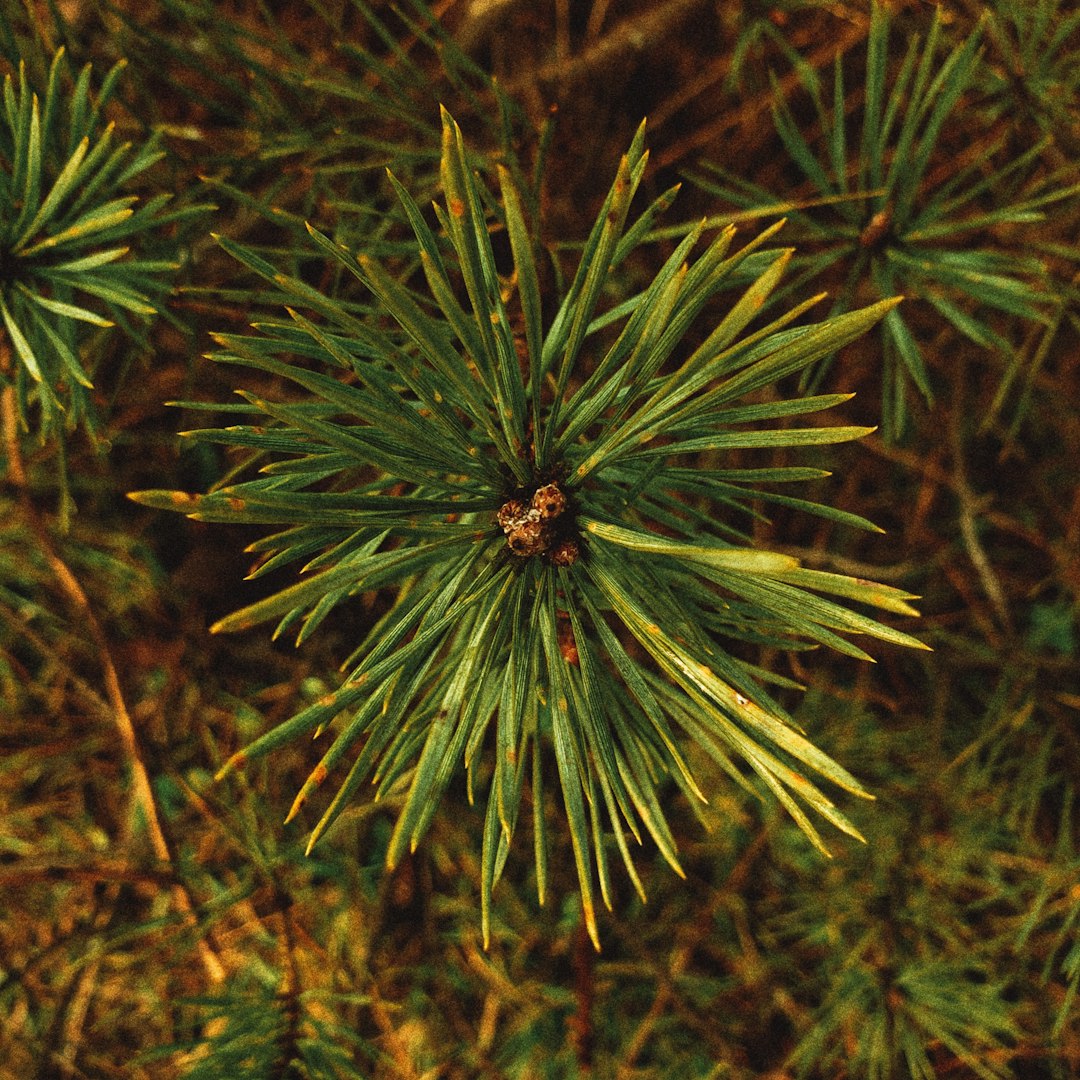
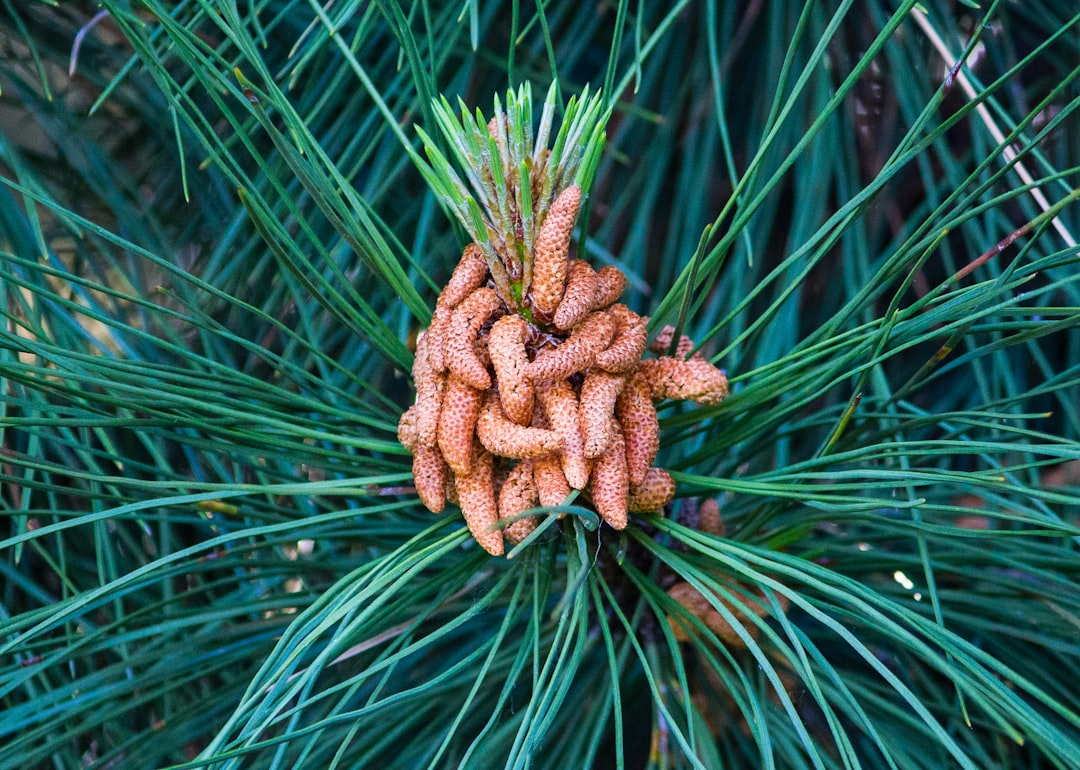
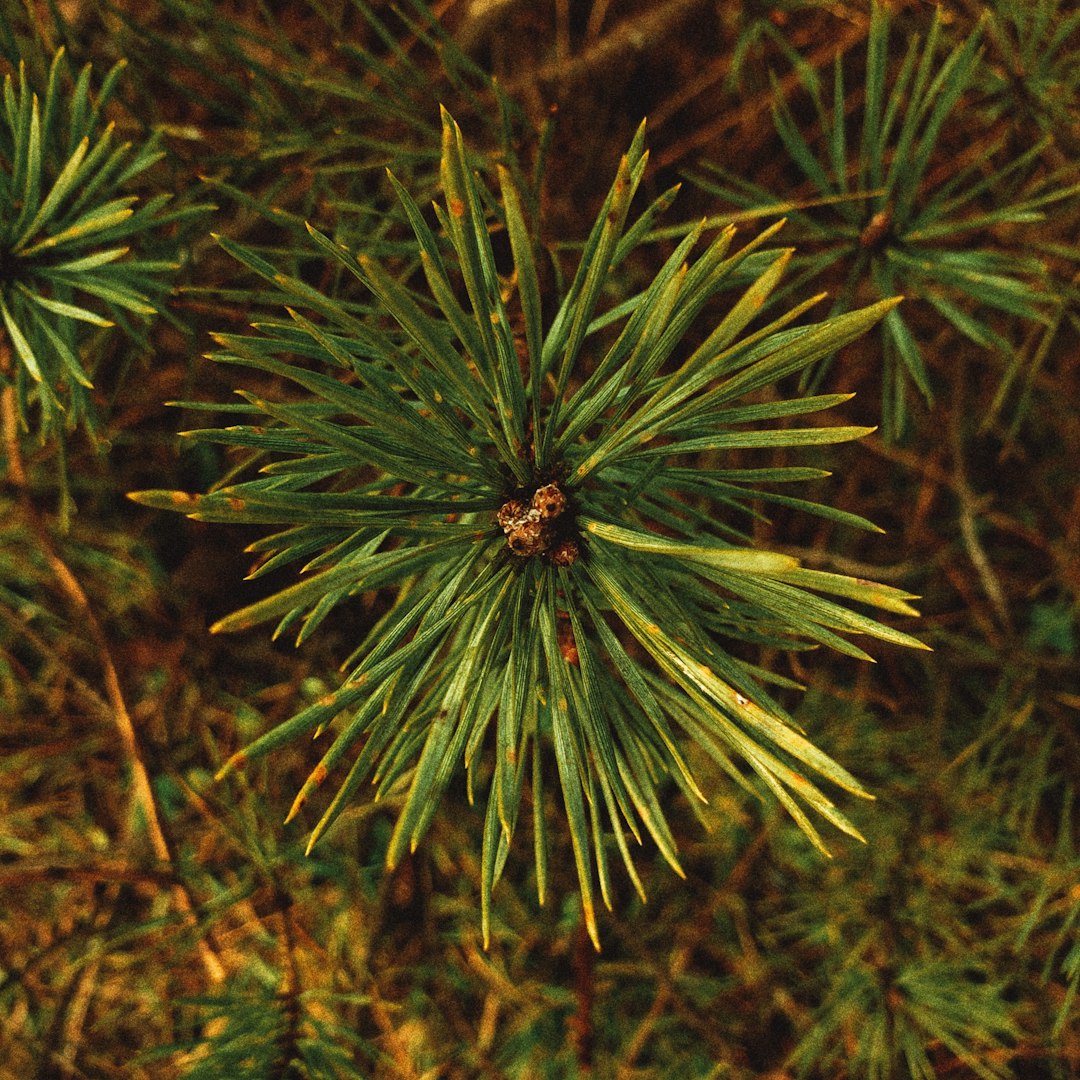
Once past the seedling stage, the needles and cones of mature Loblolly and Longleaf pines offer definitive clues for identification. The needles of the Longleaf pine are truly distinctive: they are remarkably long, typically ranging from 10 to 18 inches, and are grouped in fascicles (bundles) of three. Their impressive length gives the tree a shaggy, almost weeping appearance, especially when wet. These needles are also relatively stout and stiff.
Loblolly pine needles, while still substantial, are noticeably shorter, usually measuring between 6 to 9 inches, and also occur in bundles of three, though occasionally two. They are generally finer and more flexible than Longleaf needles. Observing a cluster of needles from each tree side-by-side makes the length difference immediately apparent.
The cones present another unmistakable differentiator. Longleaf pine produces some of the largest cones of any North American pine, often reaching 6 to 10 inches in length. These cones are heavy, somewhat ovate to cylindrical, and their scales feature a blunt, often slightly curved prickle that is not particularly sharp. In contrast, Loblolly pine cones are medium-sized, typically 3 to 6 inches long, and are more conical or egg-shaped. Crucially, each scale on a Loblolly cone is armed with a sharp, stiff prickle, making them quite uncomfortable to handle. The sheer size and the nature of the prickles provide clear visual and tactile markers for identification.
Bark and branching: mature tree distinctions
Moving beyond the immediate features of needles and cones, the bark and branching patterns of mature Longleaf and Loblolly pines provide additional reliable identification markers. The bark of a mature Longleaf pine is one of its most striking attributes. It is thick, deeply furrowed, and characteristically develops into large, orange-brown, plate-like scales. These plates often have a reddish or yellowish hue, giving the trunk a somewhat mosaic appearance. This thick, insulated bark is another adaptation that helps mature Longleaf trees survive ground fires.
Loblolly pine bark, while also furrowed, is generally darker, often reddish-brown to dark brown, and more irregularly fissured and scaly. Rather than large plates, it tends to form smaller, more rectangular or blocky scales that are not as pronounced or thick as those of the Longleaf. The difference in texture and color is usually quite evident upon closer inspection.
In terms of branching, Longleaf pines tend to have a more open, less dense crown with fewer, stouter branches that are often arranged in distinct whorls. This open structure contributes to its majestic, somewhat regal silhouette. Loblolly pines, on the other hand, typically develop a denser, more compact crown, and they often retain their lower branches for longer periods, especially when growing in competitive environments. The overall form of the tree, its branching habit, and the texture of its bark, when considered together, offer a comprehensive picture for accurate identification.
Ecological roles and geographic distribution
Beyond their physical differences, Longleaf and Loblolly pines play distinct ecological roles and have different natural distributions, insights which further aid in identification and understanding. The Longleaf pine is intrinsically linked to a fire-dependent ecosystem. Historically, its vast savanna-like forests stretched across the southeastern coastal plain, maintained by frequent, low-intensity fires. This environment fostered incredible biodiversity, supporting unique plant communities and a host of wildlife species, including the endangered Red-cockaded Woodpecker. Longleaf is a slow-growing, long-lived species, capable of reaching impressive ages, often exceeding 300 years. Its natural range has been drastically reduced due to land clearing and fire suppression, making restoration efforts critically important.
Loblolly pine, conversely, is known for its rapid growth and adaptability, making it the most commercially important pine species in the southeastern United States. It is a pioneer species, quick to colonize disturbed sites and thrive in a wide range of soil and moisture conditions. While Loblolly can grow in mixed stands with Longleaf, it generally prefers moister sites and is less fire-adapted than its counterpart. Its native range is also broad, extending from Maryland south to Florida and west to Texas, and it is widely planted far beyond this for timber production. Understanding these ecological preferences and historical ranges can provide valuable context when attempting to identify a particular pine tree, especially in areas where both species might naturally occur or have been planted.
Conclusion
Distinguishing between Loblolly and Longleaf pines, while initially challenging, becomes clear once you understand their key characteristics. The unique “grass stage” of young Longleaf versus the immediate stem development of Loblolly seedlings offers the first critical clue. As they mature, needle length – Longleaf’s impressive 10-18 inches versus Loblolly’s 6-9 inches – along with the characteristic prickles on their cones – blunt on Longleaf, sharp on Loblolly – provide unmistakable visual and tactile cues. Furthermore, the thick, plate-like, orange-brown bark of Longleaf contrasts sharply with the darker, more irregularly fissured bark of Loblolly. Their distinct ecological roles, with Longleaf thriving in fire-dependent savannas and Loblolly dominating commercial forestry due to its rapid growth, further reinforce their individuality. Accurate identification is paramount for effective forest management, conservation efforts, and appreciating the diverse beauty of the Southern pine forest.
Image by: Vladyslav Lomakovych